Which Sustainable Clothing Brands are Truly Worth Buying?
Key Takeaways
- Sustainable clothing brands care about fabric, fair pay, and how long a garment lasts.
- Seals like GOTS, Fairtrade, and OEKO-TEX help you check big claims fast.
- Affordable sustainable clothing brands are real, so a tight budget isn’t a dealbreaker.
- Fewer, better pieces beat a closet full of green-labeled impulse buys.
Let’s be honest: shopping for greener clothes can feel like a maze. Every tag claims to be “eco” something. Some mean it. Plenty don’t. This guide sorts the good sustainable clothing brands from the fluff and helps you judge labels on your own.
What Makes a Clothing Brand Sustainable?
Think of it as a whole-picture test. A sustainable brand protects people and the planet at once, which means safer materials, less waste, fair wages, and clothes that survive more than one season. A single “green” collection won’t cut it. The entire supply chain has to hold up, from farm to factory to your front door.
Fabrics and Production
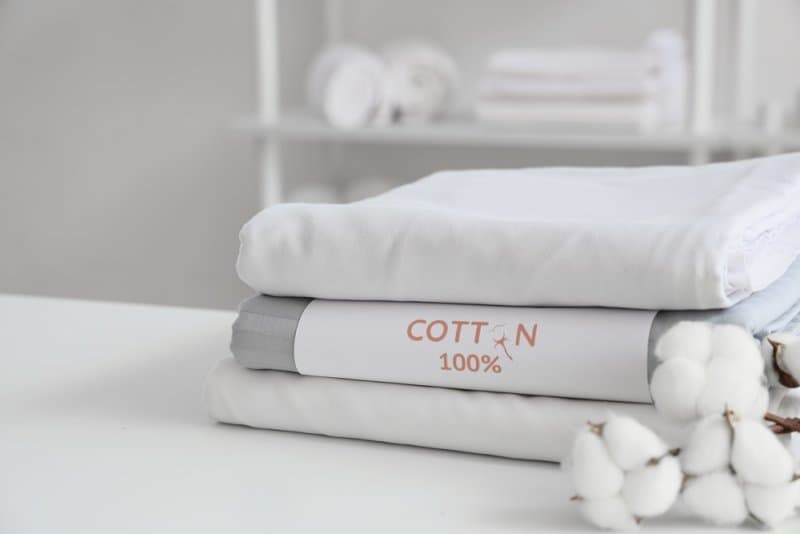
Start with the fabric. Organic cotton, hemp, linen, and recycled fibers generally tread lighter on the earth. Next, ask how it was dyed and finished, since water waste and harsh chemicals do real damage in ordinary factories. A brand that names its fabric sources usually isn’t hiding much.
Fair Pay and Safe Workplaces
Soft organic cotton means nothing if the person sewing it earns peanuts. Good sustainable fashion brands with ethical practices list their factories, pay living wages, and let outsiders audit the place. If a company goes quiet about where it makes things, that silence tells you plenty.
How to Identify Ethical Clothing Brands?
Greenwashing is everywhere, so keep a short checklist handy. Begin with certifications, then skim the brand’s sustainability page for real specifics. Words like “conscious” and “natural” prove nothing. Numbers, factory names, and third-party seals actually do. Here are the labels worth knowing.
| Certification | What It Checks |
| GOTS | Organic fiber content (at least 70%) plus environmental and social standards |
| Fairtrade | Fair wages and safe working conditions |
| OEKO-TEX Standard 100 | Fabric tested for harmful substances |
| bluesign | Cleaner production from start to finish |
| B Corp | Overall social and environmental performance |
See two or more of these? Good sign. Seeing none doesn’t automatically mean a brand is shady, but dig deeper before you hit “buy.”
Common Greenwashing Red Flags
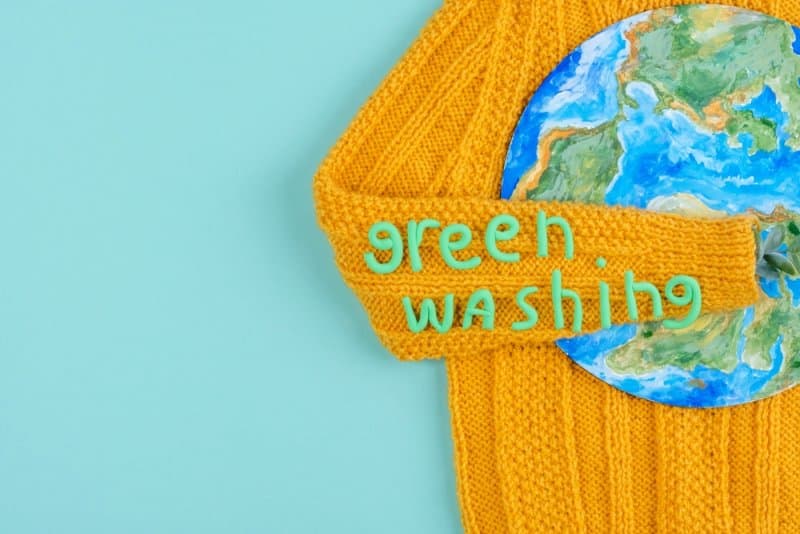
Some brands slap leaves on ordinary products and call it a day. Pause if you notice any of these:
- Vague claims with zero proof or numbers.
- No factory names or supplier details.
- A tiny green line beside endless fast-fashion drops.
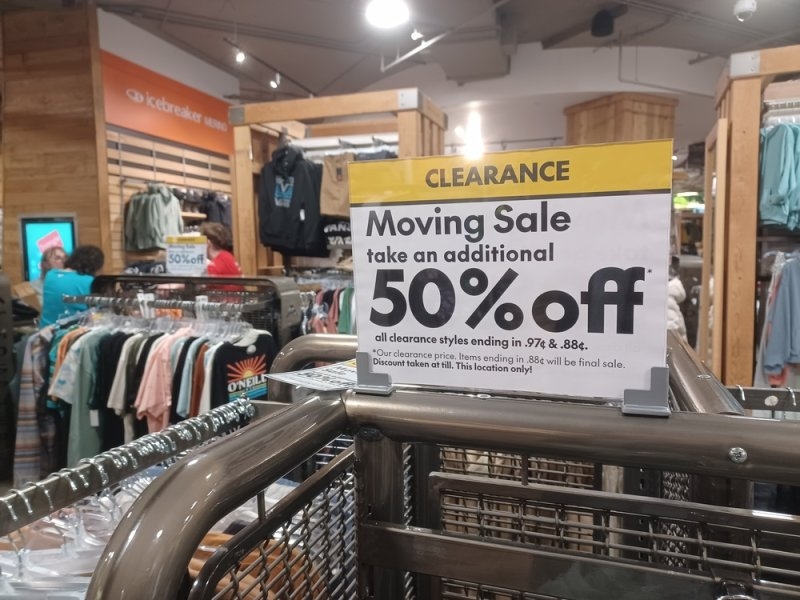
- Nonstop sales that nudge you to overbuy.
Which Sustainable Clothing Brands Should You Try First?
Plenty of labels now do this properly. The ones below earned a spot for open sourcing, good materials, and honest pricing. We sorted them by what you actually need rather than by hype, so jump straight to your own budget and style.
Affordable Sustainable Clothing Brands
Good news for tight budgets. Pact sells Fair Trade Certified basics in organic cotton, Quince keeps cashmere and silk prices reasonable, and Yes Friends makes fair trade fleece and sweatshirts. Between them, these affordable sustainable clothing brands show you don’t need deep pockets to shop responsibly.
Organic Clothing Brands to Know
Organic clothing brands avoid synthetic pesticides and look after soil health. Organic Basics and MATE The Label both use GOTS-certified fabrics. Hunting for clothing brands that use organic cotton? Check for the GOTS seal on the actual product page, not only the shiny homepage banner.
Must Read: Best Eco-Friendly Clothing Brands for Your Green Wardrobe
Sustainable Clothing Brands for Everyday Wear
Daily clothes need to be comfortable first. Kotn’s soft Egyptian cotton tees are easy to love, and tentree plants ten trees for every item sold. Patagonia handles the outdoor layers and runs a Worn Wear resale shop. Any of them works for errands, office days, or lazy weekends.
Eco-Friendly Clothing Brands for Everyday Fashion
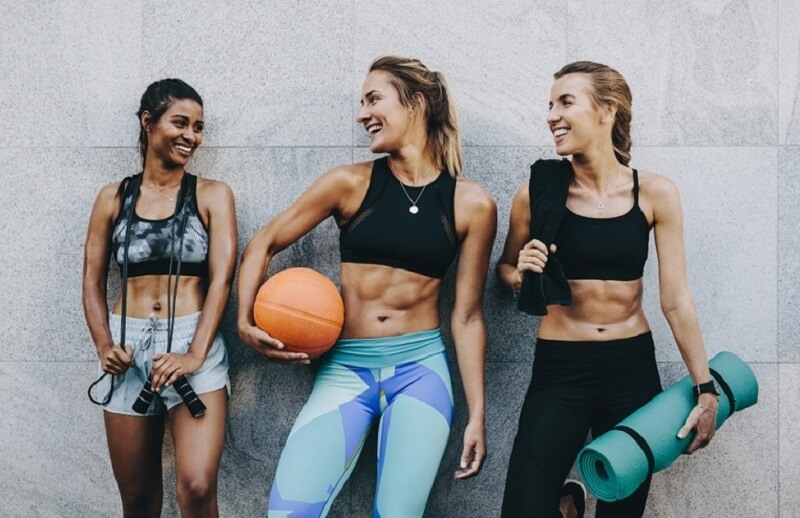
Want something a bit trendier? Reformation is climate neutral and lists the environmental footprint of each piece. Girlfriend Collective turns recycled bottles into activewear, with sizes up to 6X. Style and responsibility, it turns out, can happily share one hanger. These eco-friendly clothing brands prove it.
Are Sustainable Fashion Brands Worth the Higher Price?
Often, yes, once you think in cost per wear. A well-made tee that lasts five years beats three cheap ones that fade after a few washes. Price alone proves nothing, though. Compare fabric, certifications, and repair options before paying extra for any single label.
Smart ways to spend less:
- Check coupons and cashback before checkout.
- Buy secondhand through brand resale shops.
- Mend your favorites instead of replacing them.
Top Pick: How to Choose the Best Sustainable Fashion Apparel Today
How Can You Build a Sustainable Wardrobe Without Overspending?
Relax, you don’t have to toss everything and start from scratch. The greenest garment is usually the one already in your closet. Build slowly, shop with a plan, and make every purchase earn its place. Your wallet and the planet will both notice.
Audit What You Already Own
Pull everything out and sort it into love, maybe, and never. Spot the gaps, like decent jeans or a warm layer. Fill those first, so each new purchase has a clear job instead of becoming another thing you wear twice and forget.
Care for Clothes So They Last
Wash less and use cold water to protect fibers and save energy. Air-dry when you can, sew on loose buttons early, and fold your knits. Small habits can stretch a garment’s life by years, and honestly, that’s often the biggest sustainability win going.
Conclusion
The best sustainable clothing brands share three traits: honest materials, fair labor, and durability. Pick one label you trust, check its certifications, and grow your closet from there. Nobody needs a brand-new wardrobe overnight. Small, informed swaps add up faster than you’d think.
Frequently Asked Questions
Which are the most affordable sustainable clothing brands?
Pact, Quince, Yes Friends, and Kotn are popular picks. They offer organic or responsibly made basics at moderate prices. Watch for seasonal sales, and always compare each brand’s certifications before you decide to buy.
Are organic clothing brands really better for the planet?
Mostly, yes. Organic farming skips synthetic pesticides and keeps soil healthier. But dyes, shipping, and how long you actually wear a piece matter just as much, so organic fabric helps without settling the whole question.
How can I spot greenwashing quickly?
Hunt for details. Trustworthy brands name their factories, show real certifications, and set goals you can measure. If a page leans on words like “natural” or “conscious” and offers no proof, close the tab.
Is buying secondhand more sustainable than buying new?
Often it is, because secondhand clothing needs no new fabric, water, or dyes. Brand resale programs like Patagonia’s Worn Wear make it easier. Thrift stores and online resale sites work well too.
Do ethical clothing brands offer plus sizes?
Many do. Girlfriend Collective goes up to 6X, and TomboyX stretches to 6X as well. Pact reaches US size 20. Always check each brand’s size chart, since ranges often vary between labels.