Business Casual Wardrobe: Essential Pieces and Outfit Ideas

Key Takeaways
- An effective business casual wardrobe includes stylish and comfortable clothes chosen according to the requirements of the workplace.
- Start with universal shirts, tops, tailored pants, skirts, knitted items, jackets, and comfy shoes in matching colors.
- A capsule business casual wardrobe helps you have many combinations when every item goes well with a number of others.
You don’t need a closet full of clothes to get ready for work. A well-organized business casual wardrobe allows you to maintain an elegant appearance that also gives you comfort and shows your unique style. The problem, however, is defining what business casual means in your office and which pieces go well with one another. Avoid following every new trend, but invest in reliable clothing, the right sizes, and the right colors.
What Does Business Casual Mean?
Business casual is the term for a dress code that is less formal than business attire but still classy and sophisticated. Business attire is defined as clothing that is not formal wear but not overly casual either. Because business casual is not very strict, it primarily consists of garments that are neat and fit well, such as blouses, blazers, straight pants, skirts, and dress shoes. Wearing a full suit is not always needed as long as the outfit is considered respectable.
Some companies impose stricter rules on business casual, while some organizations may state that jeans and sneakers are acceptable clothing. Make sure to refer to your employer’s dress code policy as well. When in doubt, it would be best to wear something slightly dressier than the situation requires.
Also Read: AI Fashion Recommendations: How It Impacts Online Shopping?
Business Casual Wardrobe Essentials
Building an effective work wardrobe does not require acquiring a lot of clothing items. It is best to start with clothing pieces that you can wear interchangeably and then add more to your collection only if needed.
1. Shirts and Everyday Tops
The first clothing items that you will need include shirts, blouses, and everyday tops. The best colors for your tops are white, light blue, cream, black, or prints that are easy to combine. You can use shirts to provide cleanliness and formality. In addition to shirts, you can also wear blouses and light tops made from knitted fabrics. You can also wear polo shirts and casual tops if the job allows it.
Choose fabrics that are comfortable, non-see-through, and not tight-fitting. Avoid any colorful and eye-catching prints and try not to select clothing items that will be hard to pair with other clothing pieces.
2. Tailored Trousers and Chinos
A good pair of trousers is one of the most important business casual clothing items. The first one should be a dark neutral, such as navy, charcoal, or black, and the second one has to be a lighter beige, gray, or olive. Straight-leg, tapered, and wide-leg trousers can be worn as long as they fit and are the right length.
Also, chinos are relatively more relaxed pants, and they should be especially chosen by men, but they are versatile and can be combined with different clothing items. Pick simple pants with no decorative elements, and stay away from baggy ones.
3. Skirts and Dresses
Women can wear knee-length or midi skirts with blouses, shirts, or light sweaters. A-line, straight, and flat-pleat skirts are different skirt styles that are suitable for office wear. A simple sheath dress, wrap dress, or shirt dress is perfect for an administrative job.
Make sure you choose a piece that fits you, allowing you to walk and move freely. You can also throw a cardigan or a blazer on and use it if necessary.
4. Blazers, Cardigans, and Knitwear
Wearing a blazer can give a structured look to a T-shirt, blouse, or any other ordinary top. Consider navy, black, gray, or beige colors to make it easy to mix and match with different bottoms. Unstructured blazers are a good option if your office dress code is casual.
The air conditioning in the office can make cardigans and light sweaters great alternatives. The best option here is to choose simple designs since they can fit nicely in layers without creating bulk.
5. Comfortable Shoes Yet Elegant
Shoes are one of the most important factors that determine the entire look of an outfit. Loafers, derby shoes, oxfords, ballerina flats, small heels, and ankle boots are among the most comfortable options for business casual attire. When choosing shoes, pick the ones that fit your commuting requirements and will allow you to stand or sit comfortably while working.
Keep the shoes clean at all times and in a ready-to-wear condition. Sneakers may be acceptable in certain offices, but double-check the dress code.
6. Belts, Bags, and Accessories
You can complete any outfit with a basic belt, a structured tote bag, an everyday purse, a watch, or simple pieces of jewelry that don’t draw attention to themselves. Accessories must work with the clothes, not against them. A good handbag will complement your look and hold everything you need on a daily basis.
Business Casual Attire for Men
A collection of practical men's business casual wear could begin with two pairs of chinos or fitted pants, multiple button-down shirts, a polo shirt, a finely knit sweater, and one stylish blazer. Also included should be loafers or derby shoes and a matching belt.
For an average workday, navy chinos and a pale blue Oxford shirt with brown loafers should suffice. In the case of a meeting, one may consider wearing charcoal pants with a white shirt, navy blazer, and leather shoes. On a laid-back day at work, a tidy polo with beige chinos is an appropriate choice. A tie is only needed when required by the environment.
Business Casual Attire for Women

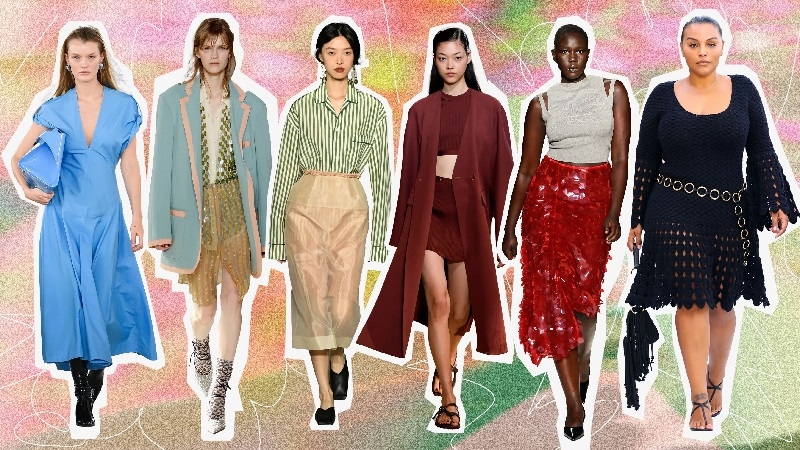
A flexible business casual attire for women collection might include pants, a midi skirt, a plain dress, some blouses, knit tops, a cardigan, and a blazer. These outfits may be complemented with flats, loafers, ankle boots, or low heels.
For instance, black pants with a cream blouse and loafers can be worn on any day. A midi skirt is combined with a tucked-in blouse and a cardigan. A plain dress and a blazer can be worn for presentations and meetings. Also, these rules can be used when creating modest workwear outfits such as kurta sets, straight pants, and structured outfits, if this style fits into the company’s requirements.
Business Casual Outfit Ideas for Different Workdays
After getting the basics, start using easy formulas for your outfits instead of designing them each time.
- Daily office wear: Tailored trousers, a button-down shirt, and loafers.
- Meeting with clients: A blazer worn over a blouse or shirt with structured trousers and formal footwear.
- Casual workday: Chinos with either a polo or a knit shirt, assuming it is allowed at your place of work.
- Day for presentations: A basic dress or a combination of separate pieces with a blazer and some modest accessories.
- Hybrid workday: A nice shirt or blouse and sweater suitable to be seen on camera and appropriate to wear while working.
These casual outfits may vary in color schemes, layering, and accessories but still be based on the same set of clothing.
Common Business Casual Wardrobe Mistakes to Avoid
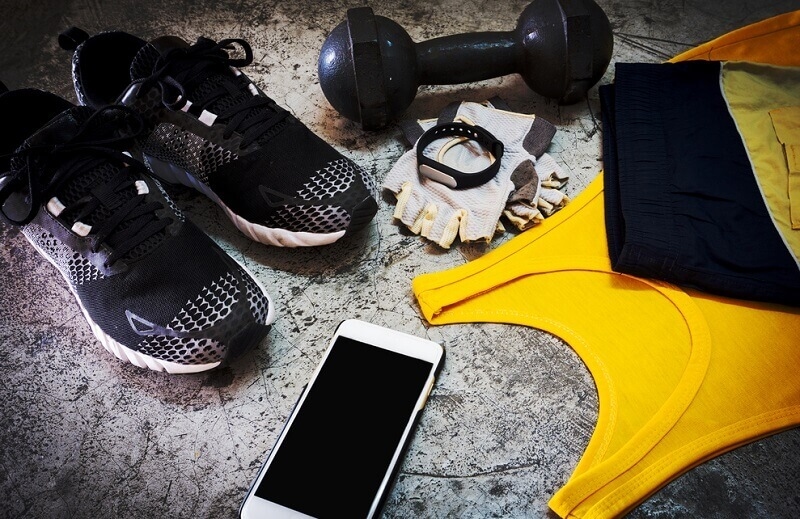
Even when the clothing is versatile, it will look inappropriate if it is poorly cared for or not suited to the situation. Steer clear of any clothing that has stains, excessive wrinkles, is too frayed, and is hard to maneuver around in. Workout wear, beachwear, and revealing clothing with slogans or cutouts are not suitable for most office work environments.
Not all workplaces have the same policies on jeans, sneakers, sleeveless shirts, or sandals. Make sure you know what they are first. Additionally, do not purchase clothing because of its style. If it doesn’t match your other clothing or suit your everyday life, it won’t serve its purpose as business casual clothing in the office.
Must Read: Clearance Sales: How to Find Good Deals Without Overspending
Conclusion
A strong business casual wardrobe is built around versatile clothing that fits well, feels comfortable, and reflects your workplace expectations. Start with dependable tops, tailored bottoms, smart layers, and practical shoes. Coordinate colors, test outfit combinations, and add pieces only when needed. With a thoughtful approach, you can create professional work outfits for different occasions without overcrowding your closet.
FAQs
1. How do I build a business casual wardrobe from scratch?
Start by checking your workplace dress code, then choose coordinating tops, tailored trousers, suitable shoes, and one versatile layer. Build gradually, making sure each new item works with clothes you already own.
2. What are the essential pieces of a business casual wardrobe?
Useful essentials include button-down shirts, blouses or knit tops, tailored trousers or chinos, a blazer or cardigan, appropriate skirts or dresses, comfortable work shoes, and simple accessories. Choose pieces that suit your office.
3. How many clothes do I need for a business casual wardrobe?
There is no universal number. Around 10 to 15 carefully selected clothing pieces, along with two pairs of shoes and a few accessories, can provide a useful starting point. Your needs may vary by schedule and dress code.
4. What should men and women wear for a business casual dress code?
Men can wear button-down shirts, polos, chinos, tailored trousers, knitwear, and loafers or dress shoes. Women can choose blouses, tailored pants, skirts, dresses, cardigans, blazers, and flats or low heels. Workplace rules should guide the final choices.
5. How can I create multiple business casual outfits with fewer clothes?
Choose a consistent color palette and select tops, bottoms, and layers that can be mixed and matched. A blazer can dress up several combinations, while changing shoes or accessories can give familiar pieces a different look.