Top-Rated Waterproof Hiking Boots for Men and Women Today
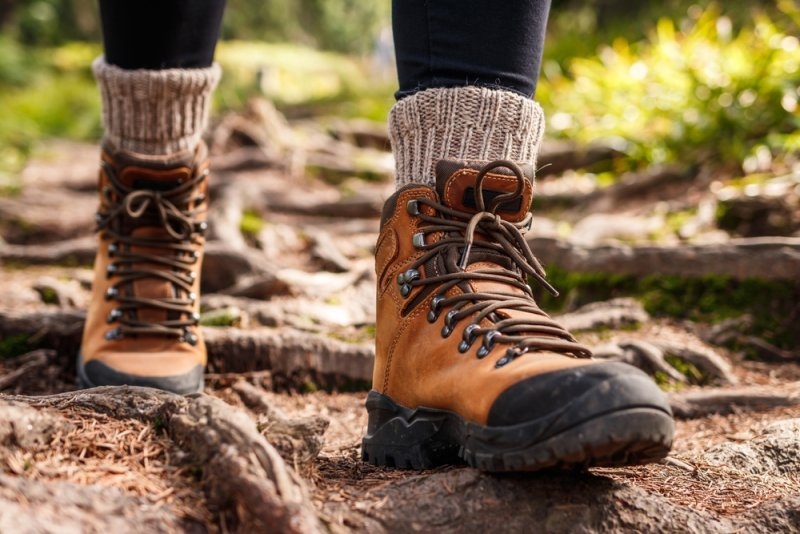
There's nothing worse than feeling that first trickle of cold water seep into your sock, three miles from the car. That's the whole reason waterproof hiking boots exist, and why picking the right pair actually matters. Wet socks, sore ankles, and slippery footing can turn even the prettiest trail into a miserable slog. Whether you're navigating muddy switchbacks or scrambling up a rocky ridge, the right boots keep you dry and steady underfoot. Here's what actually matters when you're shopping, minus the guesswork.
Key Takeaways
- Waterproof hiking boots use membranes like Gore-Tex to keep moisture out while still letting some heat escape.
- Lightweight waterproof hiking boots are great for day hikes, but heavier boots handle backpacking loads better.
- Women's boots usually run narrower through the heel, while men's boots give you more room up front.
- Grip pattern and sole stiffness matter just as much as waterproofing once the terrain gets uneven.
- Break-in time varies boot to boot, so give yours a test walk before committing to a long trek.
What Makes the Best Waterproof Hiking Boots?
At the core, the best waterproof hiking boots come down to two things: a sealed membrane and a grippy, sturdy outsole. A good membrane, whether it's Gore-Tex or something like eVent, keeps water out while still letting sweat vapor escape. Skip that balance, and you end up with a boot that either leaks or turns your foot into a sauna. Neither one is fun three hours into a hike.
What to look for:
- Deep, multidirectional lugs that actually bite into mud, gravel, and wet rock instead of just skating over it
- Solid ankle support, especially once you're carrying a loaded pack over rough ground
- Tight stitching and seam sealing, since cheaper models tend to fail at the seams first, even when the membrane itself is fine
- Reviews from people with real mileage on the boot, which tend to reveal which models actually hold up
Are Lightweight Waterproof Hiking Boots Actually Worth It?
Lightweight waterproof hiking boots have become the go-to for day hikers and trail runners who don't want to feel like they're dragging bricks around. These boots give up a bit of ankle support in exchange for less weight, which genuinely does cut down on fatigue over shorter outings. A lot of them use synthetic uppers instead of full-grain leather, too, which means less time spent breaking them in.
That said, lightweight isn't the answer for everyone:
- If you're hauling a heavy pack, you'll likely want something stiffer underfoot
- If you're crossing genuinely rugged terrain, more support matters
- It really comes down to how far you're going and how much weight you're carrying
Quick comparison:
| Boot Type | Best For | Typical Weight |
| Lightweight | Day hikes, fast pace | 1.5–2 lbs per pair |
| Mid-weight | Multi-day trips | 2–2.5 lbs per pair |
| Heavy-duty | Backpacking, rough terrain | 2.5–3.5 lbs per pair |
What Are the Best Waterproof Hiking Boots for Women?
The best waterproof hiking boots for women take narrower heels and lower-volume feet into account, which sounds minor until you've dealt with the alternative. Boots built around a men's last often cause blisters and heel slippage on longer hikes, simply because there's too much room in the wrong places.
What tends to differ in women's models:
- Tapered fit through the ankle and heel via women-specific lasts
- Extra arch padding in a lot of brands, matched to the typical foot shape and gait
- Fit test tip: bring the actual socks you plan to hike in when trying boots on, since it changes how they feel
Also Try: Best Slip-On Sneakers for Men and Women Who Want Comfort
What Are the Best Waterproof Hiking Boots for Men?
Men's waterproof hiking boots generally come with wider platforms and roomier toe boxes. That extra space accommodates broader feet without giving up the snug midfoot lock you need for stability on uneven ground. Reinforced heel counters also help keep your foot from sliding forward on steep descents.
Durability tends to be the priority in boots built for backpacking. Thicker leather uppers and burlier outsoles show up often in models marketed for multi-day trekking, and while they add some weight, it pays off on rocky, technical trails. If speed matters more to you than load-carrying, lighter trail boots with waterproof liners work just as well.
Must Try: What are the 8 Running Shoes That Actually Look Good?
9 Top-Rated Waterproof Hiking Boots Worth Trying
1. Salomon X Ultra Mid GTX (Best Overall)
The woven upper and Gore-Tex lining seal up tight, and the grippy outsole delivers solid traction, comfort, and support across most conditions.
2. Salomon Quest 4 GTX (Best for Backpacking)
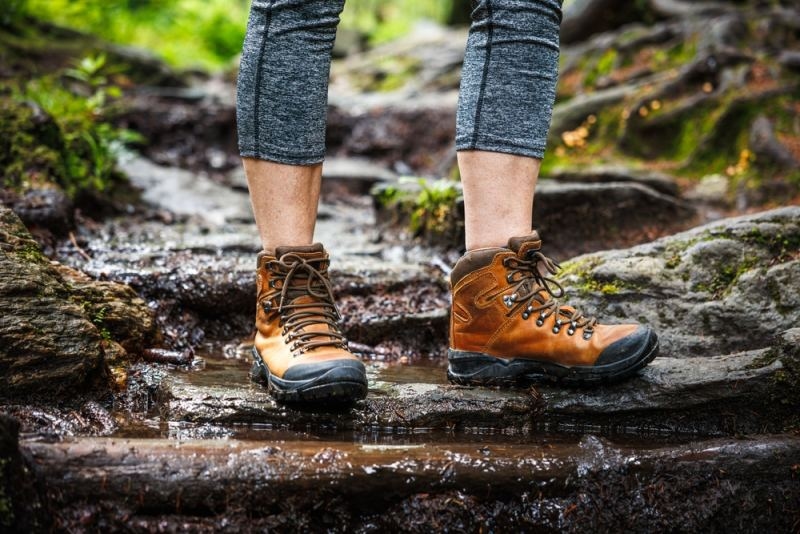
The outsole grabbed submerged rocks with confidence, and the Gore-Tex lining kept feet dry through tricky stream crossings.
3. HOKA Kaha 3 GTX (Best Shock Absorption)
Shock absorption is roughly 29% above average, which genuinely takes the edge off long descents. Feet stayed dry through wet grass and shallow streams, though shallow lugs struggle once mud gets deep.
4. Scarpa Rush 2 Mid GTX (Best Lightweight)
Coming in under two pounds per pair, this boot is agile and comfortable over long miles. The sticky SuperGum outsole handled creek crossings and muddy patches without much complaint.
5. Salomon Quest 4 GTX Women's (Best for Women)
This version keeps the same Contragrip tread and Gore-Tex protection as the men's Quest 4, just adjusted with a narrower fit through the ankle and heel for a better lockdown.
6. Hoka Anacapa 2 Mid GTX (Best Women's Comfort)
The most comfortable boots they've ever tested. The generous fit handles swollen feet well, and the Gore-Tex waterproofing held up through bog crossings on long days.
7. Salomon X Ultra 4 Mid GTX (Best for Men)
The winged lacing system snugged this boot down nicely, even under a heavy backpacking load. The outsole gripped wet rocks, roots, and mud with real confidence.
8. Lowa Renegade Evo GTX Mid (Best for Rugged Terrain)
About five ounces lighter than the Quest 4, this leather boot didn't sacrifice any support. The lacing system dials in easily and stays sturdy across technical ground.
9. Merrell Moab 3 Mid GTX (Best Budget Pick)
The Moab 3's balanced cushioning and surprisingly lightweight ride. Real durability and comfort across day hikes and light backpacking, despite the modest price tag.
How to Choose the Right Fit
Fit matters more than the brand name stitched on the side. Getting it right comes down to a few simple habits:
- Leave room at the toe - Feet swell over a long hike, so aim for about a thumb's width of space at the front.
- Check the heel - A snug heel that doesn't slip is what actually prevents blisters on the way down.
- Try boots later in the day, once your feet are naturally a bit more swollen.
- Wear your real hiking socks when trying boots on, since it changes the fit more than people expect.
- Don't skip the break-in period - Take new boots on a few short walks before a big trip, so the leather and membranes flex naturally instead of rubbing you raw.
Caring for Your Waterproof Hiking Boots
Waterproofing doesn't last forever. It wears down with regular use, dirt buildup, and UV exposure, whether you notice it happening or not.
Keep it in good shape with a simple routine:
- Clean after muddy hikes with a soft brush and mild soap
- Air dry away from direct heat, which can crack leather and damage seams over time
- Reapply a waterproofing treatment every few months to keep performance where it should be
A little regular upkeep is really all it takes to keep your feet dry, hike after hike.
Also Read: How to Pick the Right Hiking Shoes for Every Trail Type
FAQs
What makes waterproof hiking boots different from regular hiking boots?
Waterproof hiking boots come with a sealed membrane, kinda like Gore-Tex, tucked between the outer shell and the inner lining. It keeps water out but still lets some sweat vapor slip through, so your feet stay a bit drier during rain, mud, or stream crossings, compared with non-waterproof options.
Are lightweight waterproof hiking boots durable enough for long trails?
Lightweight models work well for day hikes and moderate terrain, but they can wear out faster under a heavy pack. For serious multi-day backpacking with real weight on your back, a sturdier mid-weight or heavy-duty boot usually holds up better long term.
How do I know if I need women's or men's waterproof hiking boots?
It really comes down to foot shape more than anything else. Women's boots tend to taper through the heel, while men's boots run wider through the forefoot. Trying both styles with your actual hiking socks is the best way to tell.
Can waterproof hiking boots eventually leak?
Yes, unfortunately. That protection sort of degrades over time from grime, UV light, and plain old wear and tear. Cleaning them regularly and then reapplying a waterproofing treatment from time to time helps, because seams and membranes slowly lose their moisture-repelling ability if you do nothing.
How long does it take to break in new hiking boots?
It varies quite a bit depending on the materials involved. Leather boots typically need more time than synthetic ones, sometimes several weeks. Taking them on a few short trails before a major hike goes a long way toward preventing blisters and discomfort.