How to Pick the Right Hiking Shoes for Every Trail Type
Key Takeaways
- Fit beats brand name every time. A snug heel and enough room up front for your toes prevent most of the injuries people blame on "bad shoes."
- Let the terrain decide. Flat, easy trails don't need much. Steep or rocky ground usually calls for hiking boots.
- Waterproof hiking shoes sound like a no-brainer but aren't always the right pick. Great in the rain, kind of miserable in the heat.
- Grip matters just as much as cushion, maybe more.
- Never skip the break-in period. Your feet will remind you if you do.
Choosing the Best Hiking Shoes for Every Trail Type
If you've ever hiked in the wrong shoes, you already know how fast it goes downhill (pun kind of intended). A blister shows up around mile two, your ankle starts complaining on the way down, and by the time you're back at the car, you're mentally shopping for a new pair. Good hiking shoes fix most of that before it starts. They keep you upright on loose gravel, dry when the sky opens up, and comfortable long after your legs have had enough.
The hard part is picking the right ones. Boots, trail shoes, waterproof versions, non-waterproof versions, it's a lot. So let's just walk through it.
What Are Hiking Shoes?
Hiking shoes are made for ground that a regular sneaker just isn't built for: loose rocks, mud, roots, sudden elevation changes. The soles are tougher, the tread is deeper, and the materials are built to take a beating that would wreck a normal running shoe in a week.
They sit lower on the ankle than boots do, which means more freedom of movement. That's a big reason day hikers gravitate toward hiking shoes over boots. You still get real support, just without hauling around the extra weight all day.
What's the Difference Between Hiking Shoes vs. Hiking Boots?
This is probably the question people ask first, and it really comes down to two things: how rough the terrain is, and how much you're carrying on your back.
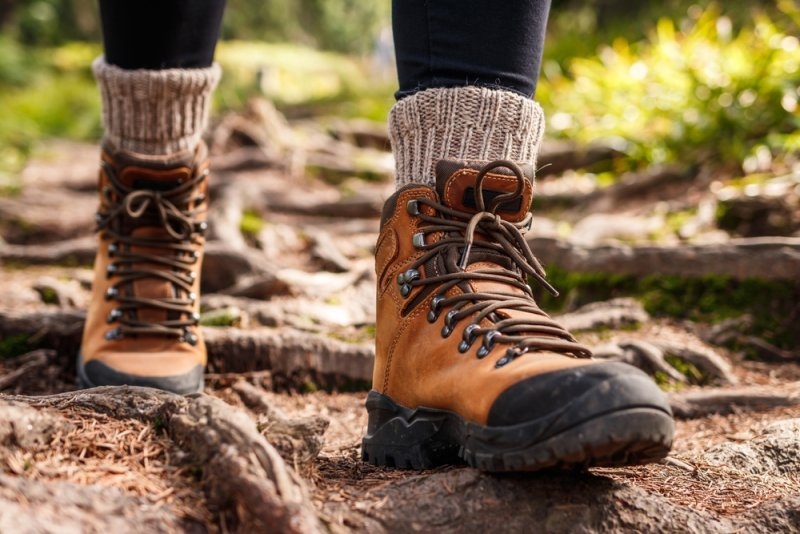
Hiking boots come up above the ankle and tend to give you
- Real ankle support on uneven or steep ground
- Better protection once you add a heavier pack
- More durability if you're out there for several days
Hiking shoes stay lower and offer
- A lighter, faster feel
- Better flexibility and airflow
- A comfortable fit for shorter, easier hikes
Heading up rocky switchbacks with a full pack? Grab the boots. Just wandering a local trail for an afternoon? Hiking shoes will probably feel better by the end, and your feet won't be sweating the whole time either.
Also read: Best Slip-On Sneakers for Men and Women Who Want Comfort
When Should You Reach for Trail Shoes Instead?
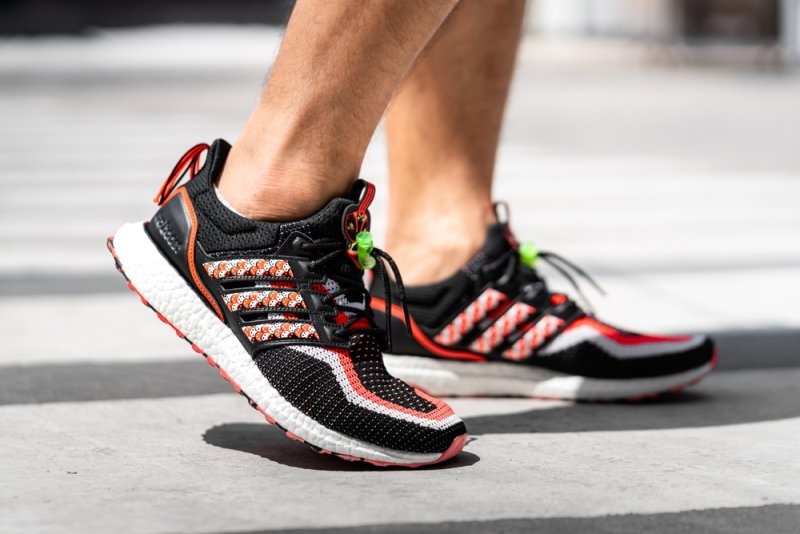
Trail shoes sit somewhere in between. Lighter than hiking shoes, tougher than your average running shoe, with more aggressive tread underneath. They work well if you:
- Mostly stick to trails that are flat or well-maintained
- Like a low-profile, nimble feel while you walk
- Want something you'd wear off the trail too, not just for hikes
One catch: trail shoes usually don't have the ankle support that boots offer, so rocky or technical terrain isn't really their strong suit. Everything else, though, they handle just fine.
Do You Actually Need Waterproof Hiking Shoes?
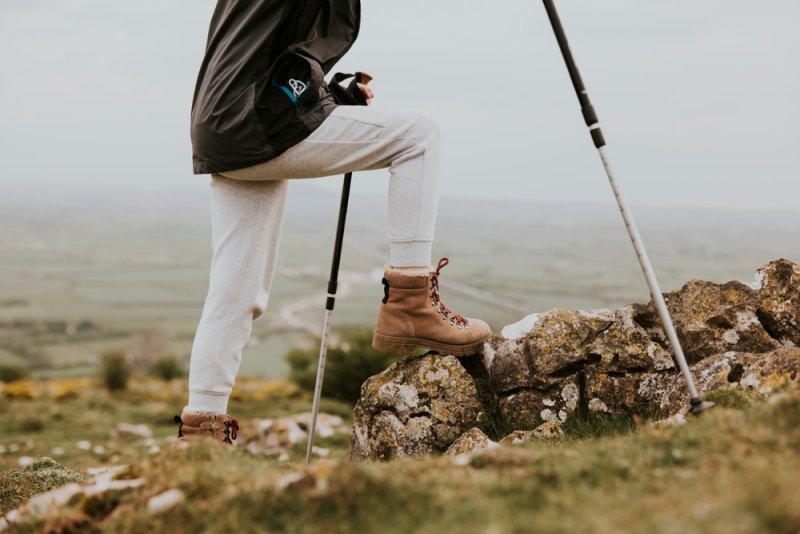
Not everyone does, honestly. But in the right conditions, waterproof hiking shoes earn their keep.
They're worth it if you're hiking:
- Somewhere that rains a lot, or during a wet season
- Through mud, snow, or streams on a regular basis
- In cold weather, since wet feet get cold fast and stay that way
They're probably not worth it if you're hiking:
- Somewhere hot and dry, since the waterproof lining traps heat and turns your feet into a sauna
- On trails with water crossings deep enough to go over the top of the shoe, at which point waterproofing doesn't matter anyway
Here's a decent rule of thumb: if it's dry where you hike most of the year, breathable mesh shoes will probably make you happier than a waterproof pair.
Hiking Shoe Buying Guide: What Actually Matters
Before you buy, run through this quick hiking shoe buying guide so you don't end up returning shoes two weeks later.
Fit and toe box: Your heel shouldn't slide around, and your toes need room to move. Tight toes are behind most of the blisters and bruised nails people get on the way down a mountain.
Outsole grip: Look for deep lugs and tread that runs in more than one direction. This is the part that actually keeps you on your feet on gravel, mud, or wet rock.
Cushioning and support: A good midsole saves your joints and keeps you from feeling wrecked halfway through a long day out.
Material and durability: Leather holds up and gives more structure. Synthetic mesh breathes better and weighs less. Which one wins depends on your climate and how rough your usual trails are.
Weight: More protection usually means more weight, and more weight means more fatigue over a long distance. It's a tradeoff, and only you know which side matters more.
Break-in time: Do not wear brand-new shoes on a big hike without testing them first. A few short walks around the block will save you from a miserable trip later.
How to Find the Best Hiking Shoes for You
There's no single pair of hiking shoes that qualifies as the best for everyone. Someone doing short, flat walks on weekends needs something completely different from someone backpacking through the mountains for a week straight.
Before you buy, ask yourself a few honest questions:
- How long and technical are the hikes I actually go on?
- Would I get more out of waterproofing or breathable mesh?
- Am I usually carrying a light day pack, or something heavier?
- Do my feet need extra arch or heel support?
Once you've got answers to those questions, choosing between hiking shoes, trail shoes, and boots becomes a lot less overwhelming. If foot comfort has been a recurring issue for you, it's worth reading up on proper footwear fit and injury prevention before your next purchase, since small fit problems tend to snowball.
Also read: Step Up Your Style: 6 Footwear Trends Under $50 For You
Final Thoughts
Choosing the right hiking shoes doesn't need to be a whole ordeal. Start with fit, let your terrain and trip length steer you toward boots, hiking shoes, or trail shoes, and only bother with waterproofing if your climate actually demands it. And whatever you pick, give it time to break in before you take it somewhere that actually matters.
FAQs
What's the difference between hiking shoes and trail shoes?
Hiking shoes give you more structure and support for rougher terrain. Trail shoes are lighter and more flexible, built for smoother, well-kept paths.
Are waterproof hiking shoes worth it?
If you're regularly hiking somewhere wet, muddy, or cold, definitely. In hot, dry places, non-waterproof breathable shoes tend to feel a lot better.
How do I know if I need hiking boots or hiking shoes?
Carrying a heavy pack or tackling steep, rocky terrain? Go with boots. Shorter, easier day hikes? Hiking shoes will do just fine.
How long does it take to break in hiking shoes?
Usually one to two weeks of short, regular walks. Boots with stiffer materials can take a bit longer to soften up.
How often should I replace my hiking shoes?
Somewhere around 300 to 500 miles is the general guideline, though it varies by terrain. If the grip feels off or the cushioning's gone flat before that, it's probably time for a new pair.