Best Smartwatches for Fitness: Features, Benefits & Tips
Key Takeaways
- A good fitness watch needs to fit your exercise program, your phone, personal comfort, and your budget.
- A heart monitor, GPS capabilities, activity modes, battery life, and water-resistant features are some useful aspects that need to be considered.
- Concentrate more on practical functions than on additional ones that you will probably never use.
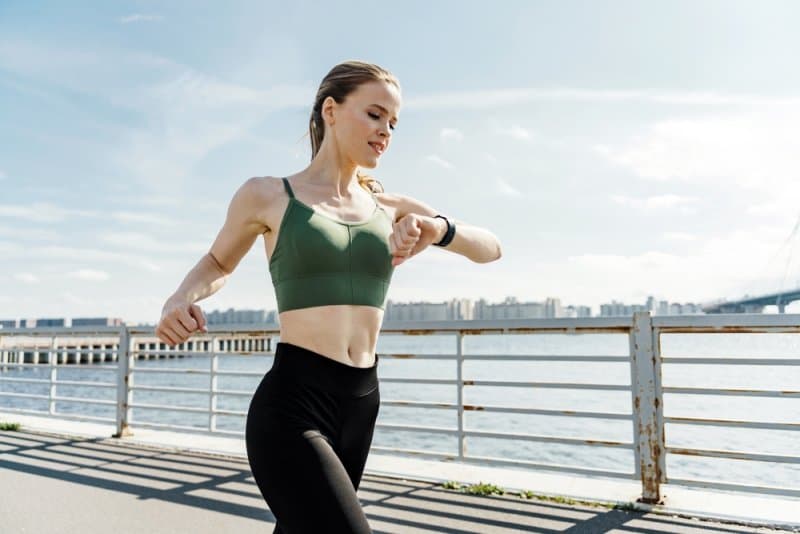
Imagine how cool it would be to be able to review your pace, heart rate, distance, and recovery dynamics after finishing your run, without your smartphone. A fitness-friendly smartwatch like this can make it easier to interpret your daily physical activities and inspire you to achieve realistic goals. However, the variety of watches available on the market, with their multiple sensors and features, can make picking one a challenging task. You do not need to buy the most expensive watch; it should be comfortable and helpful to you daily.
Why Choose a Smartwatch for Fitness Tracking?
The most suitable smartwatches for fitness or fitness smartwatches offer functionality combined with comfort and convenience. Whether you walk, work out in the gym, cycle, swim, or run outside, an appropriate device will allow you to track your achievements easily.
Key Fitness Smartwatch Features to Compare
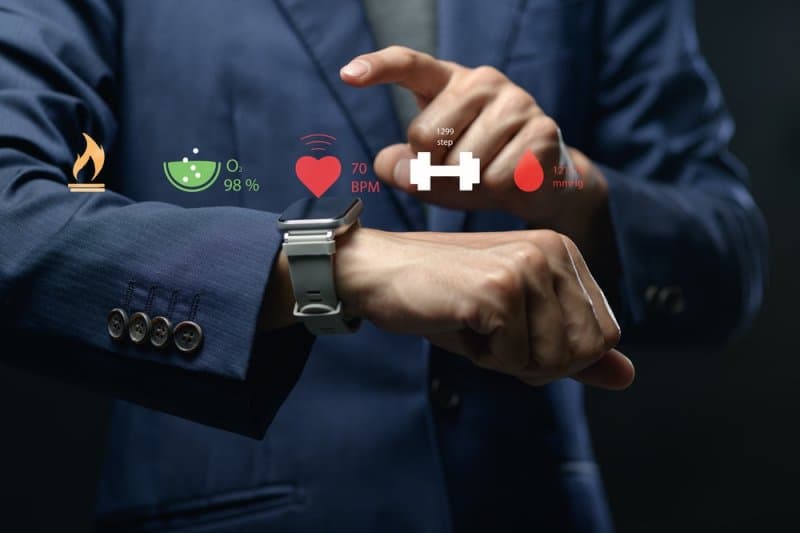
Prior to making your choice, take into account what functions may be helpful in your case, as a long list of features does not guarantee that the watch is the right one for you.
Heart Rate Monitoring
This feature allows measuring your heart rate both throughout the whole day and while exercising. It will give you a chance to monitor your exercise intensity and make comparisons between different training sessions. You should choose a device with continuous heart rate monitoring, workout analysis, and alerts, if needed.
Measurements may depend on activity and wearing, so you should keep in mind the manufacturer's recommendations about tightness of the band.
GPS and Workout Tracking
Built-in GPS tracks outdoor routes, distance covered, and pace without needing your mobile phone to give out its location. For outdoor runners, hikers, and cyclists, make sure you check the GPS configuration of the watch.
The other function you will find in good fitness watches is a selection of exercise modes for activities such as walking, running, cycling, bodybuilding, and yoga, among others. Select the modes that apply to you and see if the watch records helpful information like duration, pace, laps, and elevation.
Sleep and Recovery Information
Some watches measure your sleep duration and sleep stage, while others may show you the trends in resting heart rate, stress, or recovery. These readings are only to be taken as guides.
Battery Life and Display
Battery life depends on the brightness of the screen, always-on screens, use of GPS, notifications, and fitness tracking. A battery that lasts a few days may suit you if you hate charging often. You should also ensure that your estimate is based on the actual performance figures and not just the highest advertised one.
An outdoor-readable display is helpful, and physical buttons may be handy when working out in sweat. Size and weight also matter.
Also Read: Save More With the Best Time to Buy a New Phone This Year
Water Resistance and Durability for Active Routines
For those who swim, run in rain, or have rigorous exercise as part of their fitness schedule, look at the water-resistance rating provided by the manufacturer along with recommendations for usage. Waterproof fitness smartwatches are a frequently used term in searches, but one shouldn’t assume that each waterproof watch will be suitable for all water-based activities.
There is a limitation to water resistance, and it may vary based on damage to the watch, its exposure to chemicals or soap, and other factors. There is also a need to find out whether a particular watch is suitable for the activity you want to perform, such as pool swimming.
Smart Features That Make Daily Use Easier
Fitness functions are important, but connected functions might enhance your smartwatch’s performance throughout the day. Depending on the smartwatch and phone version, you will be able to answer calls and get messages, control music, navigate places, pay without cash, and install apps.
Some additional services might cost you an extra paid subscription for the app. Take a look at the expenses before purchasing the smartwatch, especially when tracking and storing data is essential for you.
Choosing Between Budget and Premium Models
Cheaper watches might have features like step tracking, exercise modes, and heart-rate monitoring. The more expensive watches will provide features like improved positioning technology, enhanced workout statistics, offline maps, bigger screens, better materials, and even cellular connectivity.
If you are someone who does mostly walking and attends the gym occasionally, then maybe a basic model would suffice. People who run and cycle will definitely need better GPS and workout tracking features. Don't spend money on cellular connectivity if you generally take your phone with you.
You can do some price comparisons and seasonal deal hunting before making a purchase. Items.com can be a useful place to check deals and find opportunities to save on a smartwatch, but compare the final price, seller details, warranty, and return policy before placing an order.
Compatibility, Comfort, and App Support
Your watch needs to be compatible with your phone. Some watches are limited to one specific OS, whereas other watches can be used in conjunction with both Android and iOS with varying capabilities. Be sure to check compatibility before looking at specifications.
Comfort is important since tracking works best when the watch is always worn. Think about the watch's size, weight, strap material, clasps, and options to change the straps. A loose fit will influence the performance of sensors, while excessive weight will be uncomfortable during rest or workouts.
The watch's companion app should provide adequate data visualization. Check out which features are included for free or require a subscription.
How to Get More Value From Your Fitness Smartwatch?
Once you have chosen a watch, take time to set it up correctly. Enter accurate profile details, enable only the notifications you need, and choose activity goals that are realistic for your current fitness level. Wear the device consistently and follow its fit instructions to improve the usefulness of sensor readings.
Review trends rather than reacting to every daily fluctuation. Step counts, calorie estimates, sleep stages, and workout measurements can differ between devices. Use the information to understand habits and support your goals, not as a substitute for listening to your body.
Must Read: How Smart Home Gadgets Make Everyday Living More Convenient?
Conclusion
A good fitness smartwatch should make it easier for you to track your exercise routine and at the same time should be practical in your daily life. Before deciding on which one to purchase, look into features such as heart rate tracking, GPS, exercise programs, battery life, waterproofing, connectivity, and cost of applications. There is no need to get all the sophisticated equipment to start living a healthier lifestyle. Choose activities that appeal to you, set yourself an affordable budget, and select a smartwatch.
FAQs
How to choose the best fitness smartwatch?
Start with your main activities, smartphone compatibility, budget, and preferred battery life. Then compare GPS, heart rate tracking, water resistance, comfort, and app features to find a model that suits your routine.
What features to look for in a fitness smartwatch?
Prioritize dependable heart rate monitoring, suitable workout modes, GPS if you exercise outdoors, comfortable construction, and battery life. Water resistance and sleep insights may also matter depending on how you plan to use it.
Smartwatch vs. fitness tracker: which is better?
A smartwatch generally offers a larger display, apps, notifications, and broader connected functions, while a fitness tracker focuses on activity and health monitoring. The better choice depends on whether you value smart features or simpler tracking.
Which is the best smartwatch for tracking daily activity?
The best option is one that reliably records steps, active minutes, heart rate, and sleep while remaining comfortable enough to wear consistently. Check phone compatibility, app quality, battery life, and the accuracy of independent reviews.
Can a fitness smartwatch replace a medical device?
No. Consumer smartwatches provide estimates and wellness insights, not a complete medical assessment. If you have symptoms or need clinical monitoring, consult a healthcare professional and use medical-grade equipment when recommended.