

How Smart Home Gadgets Make Everyday Living More Convenient?
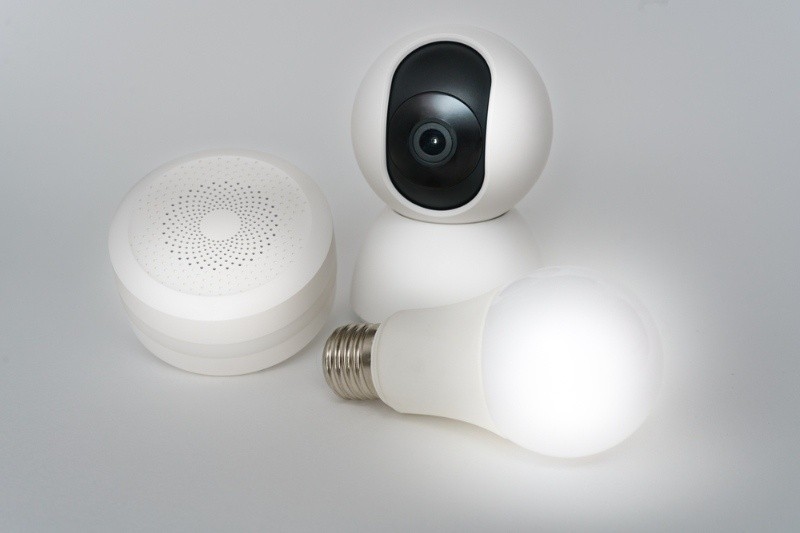
Dumping thousands into random electronics guarantees nothing but a cluttered network and a massive electric bill. Nobody achieves a high-performance lifestyle by blindly chasing tech trends. Forcing real convenience requires stripping back the useless gimmicks and focusing on integrated systems.
In this blog, you will find out the biggest benefits of smart home gadgets and understand the importance of AI home automation.
Top Pick: Best Headphone for Exercise with Secure and Great Sound
5 Benefits of Smart Home Gadgets in Everyday Life
The 5 biggest benefits of smart home gadgets are explained in the following list:
1. Kill Unnecessary Energy Waste
Leaving lights and heaters on in empty rooms is a massive financial drain. Intelligent sensors detect occupancy and kill the power the second a room is vacant.
2. Automate the Pointless Chores
Pushing a vacuum around for an hour ruins a productive weekend. Let a robot handle the dirty floors instead. Smart deadbolts lock up automatically every single night. The house takes over the boring daily maintenance, so people can actually focus on getting real work done.
3. Control Everything From Anywhere
Driving away and wondering if the stove is still burning causes instant panic. A connected setup kills that stress completely. Pulling up a simple phone app allows a person to kill the power or drop the garage door from halfway across the world.
4. Upgrade the Physical Security
Standard metal locks get kicked in fast. Connected sensors catch shattered glass or a massive basement water leak the second it happens. Getting a ping straight to a phone means stopping a disaster before the property is totally wrecked.
5. Catch Broken Hardware Early
Most houses give absolutely zero warnings before an appliance completely dies. Smart tech watches the internal systems constantly. Getting live data on power drops or bad air quality means replacing a cheap part before the whole system completely explodes.
Must Read: Get Ready For Savings With Dell PC Black Friday July Deals
Understanding the Importance of AI Home Automation in 2026
The following list will explain to you the importance of AI home automation:
1. Let the System Learn the Routine
Manually programming a thermostat is incredibly annoying. Real AI tracks daily habits and drops the temperature right before a person walks into the bedroom.
2. Exploit Cheap Electricity Rates
Power companies charge ridiculous prices during peak afternoon hours. An AI system tracks the exact cost of electricity minute by minute.
3. Execute Proactive System Maintenance
Waiting for an AC unit to explode in mid-summer is a rookie mistake. AI monitors mechanical vibrations and power draw to predict a hardware failure in advance.
How do Voice Controlled Devices Simplify Daily Life?
You can check below to understand how voice-controlled devices simplify daily life:
1. Establish a Centralized Command Hub
Managing twelve different apps for twelve different lights is a massive failure in logic. Voice-controlled devices act as a single point of entry for the entire ecosystem.
2. Enable Hands-Free Task Execution
Trying to check a recipe or set a timer with messy hands ruins a kitchen. Vocal triggers allow for instant timers, unit conversions, and grocery list updates without touching a single surface.
3. Retrieve Information Instantly
Stopping work to Google a basic fact or check a weather report shatters deep focus. Voice assistants deliver data streams immediately while the user stays locked into their primary task.
Top Features of the Home Security Gadgets
The best features of the home security gadgets are listed below:
1. Force Local Edge Processing
Relying on a remote server to identify a face causes a massive lag in response time. The best home security gadgets process video data locally on the device. This ensures the siren triggers the millisecond a threat is detected, even if the internet is down.
2. Deploy Active Deterrence Technology
Passive cameras just record a crime while it happens. Active systems use high-intensity floodlights and piercing sirens to chase an intruder off the property immediately. It stops the crime instead of just providing a video of the loss later.
3. Use Advanced Biometric Entry
Physical keys and PIN codes are easily stolen or shared. High-end locks require a unique biological signature, like a fingerprint or iris scan, to grant access. It eliminates the risk of unauthorized entry through lost hardware or social engineering.
Things to Consider for Choosing Smart Lighting Systems
Every person should consider the following things to choose smart lighting systems:
1. Check Protocol Compatibility
Bulbs that only work with one specific brand are a trap. Forcing a smart lighting system to support universal protocols like Matter or Thread is mandatory. This ensures the lights will actually talk to the rest of the house without requiring a dozen separate bridges.
2. Evaluate Color Rendering Index (CRI)
Cheap LEDs make a room look like a sterile hospital basement. Low-quality bulbs have a garbage CRI that distorts colors and causes eye strain. Buying bulbs with a CRI of 90 or higher ensures the light looks natural and doesn't ruin the facial complexion.
3. Inspect Dimming Hardware Requirements
Standard wall dimmers often cause smart bulbs to buzz and flicker aggressively. It is vital to check if the system requires a specific smart switch or if the dimming is handled internally by the bulb.
How to Find the Right Connected Home Technology?
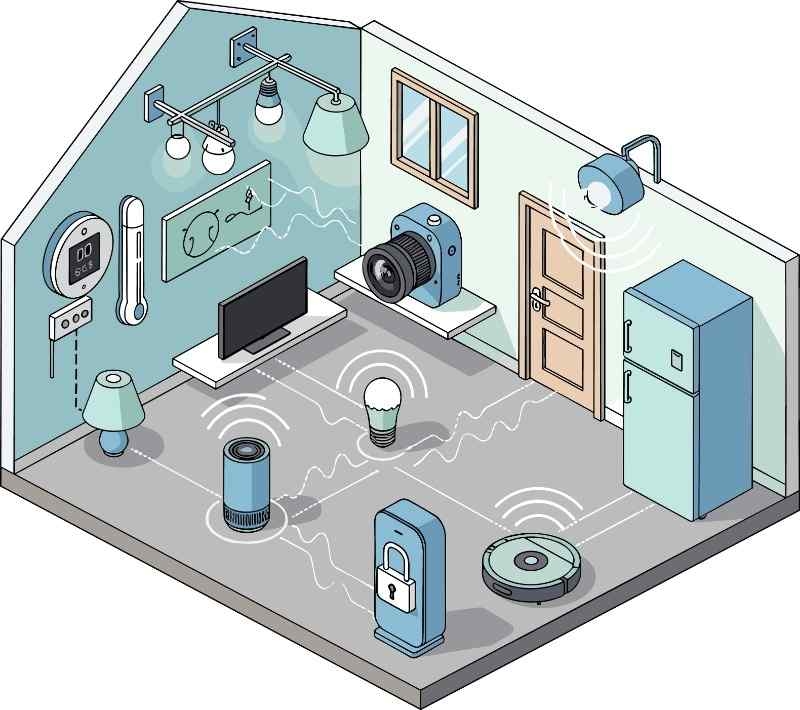
You can check below to understand the steps to find the right connected home technology:
1. Prioritize Multi-Device Sync
A device that doesn't share data with other hardware is a liability. The right connected home technology must support deep integration where a trigger from one sensor forces a reaction from another. If the tech is isolated, it is useless.
2. Verify Data Privacy and Local Control
Companies that force every bit of data through their servers are selling user habits to the highest bidder. Finding tech that allows for local-only control keeps private routines off the public internet.
3. Confirm Future Scalability
Starting with an ecosystem that can't grow is a waste of money. The hardware must be able to support additional sensors and devices as the home expands. Choosing a system with a locked, limited capacity guarantees a total rip-and-replace within three years.
Conclusion
Forcing a convenient lifestyle takes rigid planning, not just a massive credit card limit. People must stop chasing flashy gadgets and focus on building a hardcore, integrated infrastructure. Lock down the security, automate the lighting, and ensure the AI is actually doing the work.
Frequently Asked Questions
1. Is it expensive to build a smart home in 2026?
It only gets expensive when people buy useless gimmicks. Focusing on the baseline infrastructure—like lighting, security, and a central hub—delivers massive value without requiring a second mortgage. Stick to the basics that actually save time.
2. Can these gadgets work if the internet goes out?
Only if the hardware supports local control and edge processing. Systems that rely 100% on the cloud will turn into expensive paperweights the second the router goes down. Always prioritize devices that function offline.
3. Do smart home gadgets actually save money on electricity?
They only save money if the AI home automation is configured to be aggressive. Simply having a smart bulb does nothing. The savings come from automated shutdowns, peak-load management, and predictive heating that refuses to waste a single watt.


