High Potassium Foods: 20 Picks for Everyday, Balanced Meals
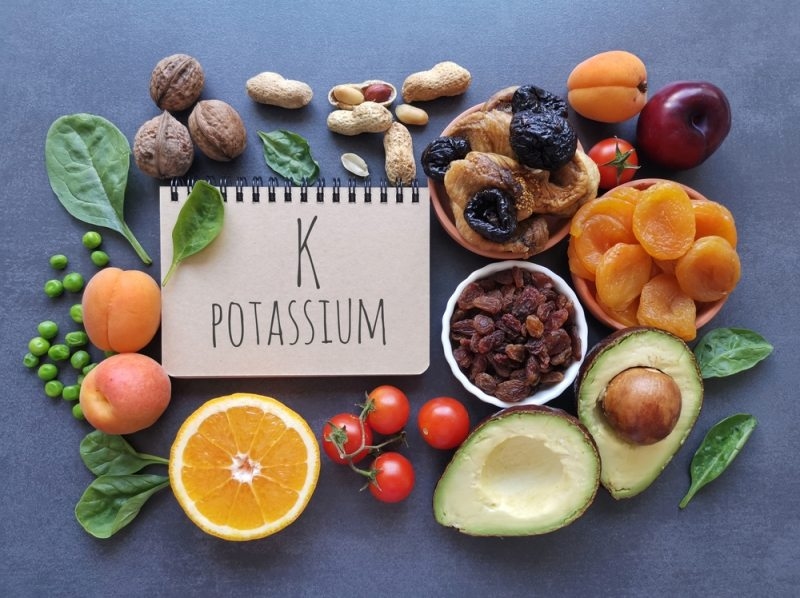
Ever notice how your legs cramp up after a long run or a hot day outside? That's often your body waving a small flag about potassium. This mineral keeps your heart beating in rhythm and your muscles firing correctly, yet most of us fall short on it without realizing it. The good news is that high potassium foods aren't exotic or expensive. They're sitting in your fridge and pantry right now, waiting to be used a little more often. Let's walk through what actually counts as a strong source, how much you need, and a few easy habits worth picking up.
Key Takeaways
- Foods high in potassium include avocados, potatoes, lentils, and leafy greens.
- Adults generally need between 2,600 mg and 3,400 mg of potassium daily.
- Potassium-rich foods support heart rhythm, blood pressure, and muscle function.
- People with kidney disease should talk to a doctor before increasing their intake.
- Whole foods are a safer source of potassium than supplements for most people.
What Exactly Are High Potassium Foods?
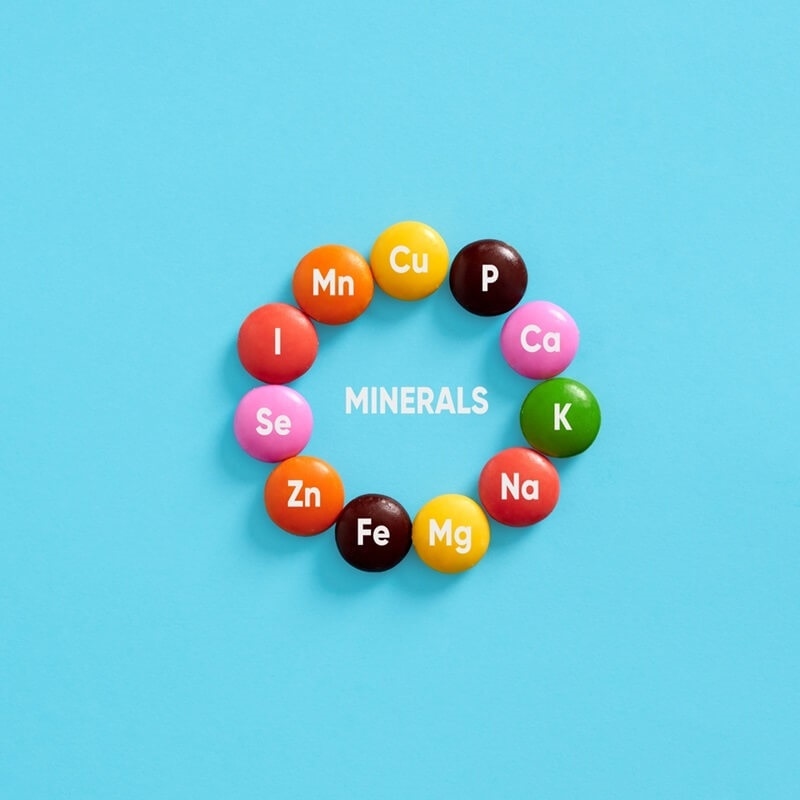
Put simply, these are foods that contain a noticeable amount of potassium in a typical serving. Your body has no way to manufacture this mineral on its own. Whatever you get comes entirely from what lands on your plate. It's an electrolyte, which means it carries a small electrical charge that helps your cells talk to each other. Without enough of it, even routine things like climbing stairs can start to feel unusually tiring.
Why Should You Care About Potassium Benefits?
Nutritionists don't hype this mineral for no reason. Potassium works hand in hand with sodium to keep blood pressure in a healthy range. There's also decent research tying potassium-rich diets to a lower stroke risk over the years. Fewer people talk about this, but it may also help preserve bone density and reduce the risk of kidney stones.
Here's a quick rundown of what it actually does inside your body:
- Helps muscles contract and then relax again
- Keeps nerve signals moving the way they should
- Balances fluid levels inside and outside your cells
- Can help offset the effects of a salty diet
- Plays a supporting role in long-term bone strength
Your Go-To Potassium Food List
Grocery shopping gets easier once you have a mental list to work from. Below is a practical list of potassium-rich foods you can screenshot or bookmark for later. Numbers are approximate, as brands and cooking methods can vary slightly.
| Food | Serving Size | Potassium (approx.) |
| Avocado | 1 whole | 975 mg |
| Dried apricots | ½ cup | 755 mg |
| Lentils, cooked | 1 cup | 730 mg |
| Acorn squash | 1 cup, mashed | 644 mg |
| Raisins | ½ cup | 618 mg |
| Baked potato | 1 medium | 610 mg |
| Kidney beans | 1 cup | 607 mg |
| Mango | 1 whole | 565 mg |
| Sweet potato | 1 medium | 542 mg |
| Cantaloupe | 1 cup, cubed | 427 mg |
| Banana | 1 medium | 422 mg |
| Spinach, raw | 2 cups | 334 mg |
| Salmon | 3 oz | 326 mg |
| Tomato | 1 medium | 292 mg |
| Greek yogurt | 6 oz | 240 mg |
| Orange | 1 medium | 232 mg |
| Broccoli, cooked | ½ cup | 229 mg |
| Grapefruit | ½ medium | 166 mg |
| Cucumber | 1 cup | 153 mg |
| Coffee | 1 cup | 116 mg |
This obviously isn't every food on Earth that contains potassium. But it's a solid starting point covering fruits, veggies, legumes, and even your morning coffee.
Foods With Potassium vs. Supplements: Which Wins?
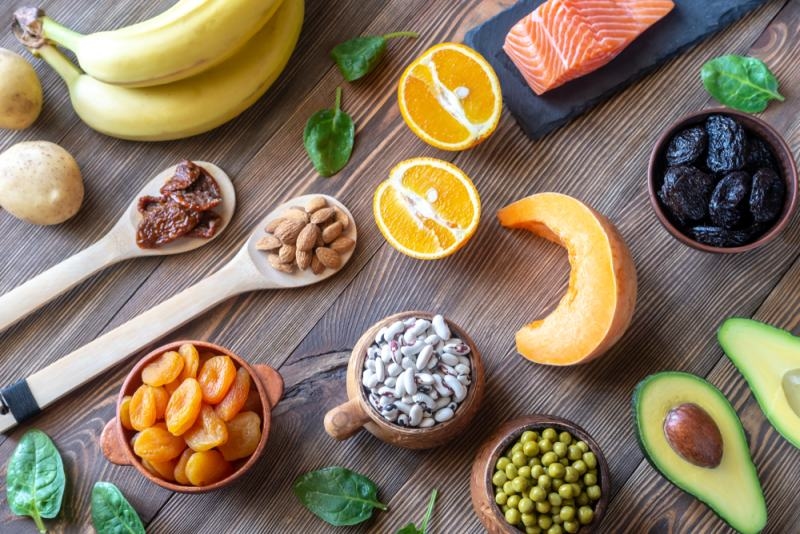
Honestly, whole foods with potassium usually beat supplements by a wide margin. Food releases the mineral slowly and comes bundled with fiber, vitamins, and other helpful compounds. Pills and powders can spike your levels too fast, which puts extra strain on your kidneys and heart.
Must Try: Shop the 5 Best Supplements to Lower Cortisol to Feel Better
How Much Potassium Do You Actually Need Each Day?
There's no single magic number here since needs shift with age, sex, and life stage. Most adult men should aim for roughly 3,400 mg a day. Women typically land closer to 2,600 mg under general nutrition guidelines. If you're pregnant or nursing, your target usually climbs slightly above the standard adult range. Reading nutrition labels regularly makes it much easier to track where you stand.
Easy Ways to Add Foods High in Potassium to Your Daily Diet
You don't need a full-blown diet overhaul to eat more potassium-rich foods. Honestly, small changes tend to stick around longer than dramatic ones do anyway.
- Swap white rice for a baked sweet potato at dinner
- Toss spinach or a banana into your morning smoothie
- Reach for dried apricots instead of a bag of chips
- Add avocado slices to sandwiches, toast, or salads
- Pick Greek yogurt over sugary desserts when the craving hits
Who Actually Needs to Be Cautious Here?
Not everyone should just start piling on potassium-rich foods without a second thought. If you have kidney disease, your body may struggle to properly filter out excess potassium. That buildup, known as hyperkalemia, can trigger dangerous heart rhythm problems in serious cases. Certain medications, including some blood pressure drugs, can push potassium levels up further, too. If any of that sounds like you, check with a doctor before making big changes.
The Bottom Line
Building meals around high potassium foods is one of the easiest upgrades you can make. No supplements, no expensive powders, no complicated tracking spreadsheets required. Just aim for variety and consistency, meal after meal, week after week. Small swaps really do add up to something meaningful over time.
Also read: Building Healthy Habits To Improve Your Life In 2023
FAQs
What are the highest foods with potassium?
Avocados, dried apricots, lentils, and squash sit near the top of most lists. One avocado alone contains close to 975 mg, which surprises many people. Leafy greens and legumes also rank high across most nutrition databases and food charts.
Can too much potassium actually be harmful?
Yes, too much can strain your kidneys and throw off your heart's rhythm. This mostly matters for people with kidney disease or certain heart conditions already. Most healthy people with normal kidney function handle dietary potassium just fine.
Are bananas still a good source of potassium?
Bananas are convenient, but honestly, several other foods beat them on potassium content. Avocados, potatoes, and lentils all contain more per serving than a banana does. Still, bananas deserve a spot in your rotation thanks to their portability and overall nutrition.
How do I know if I need more potassium?
Feeling tired all the time, muscle cramps, or even an odd heartbeat can show up when potassium is low. That said, the only real way to be sure is a simple blood test. Try not to self-diagnose based on those signs alone, because it can be misleading. It’s better to talk with a healthcare provider so you get the right testing and direction.
Does cooking vegetables reduce their potassium content?
Yeah, often it does a little. If you boil vegetables, some potassium can leach into the water, so the final concentration ends up lower. Steaming, roasting, or microwaving tends to preserve more of it than boiling does. Save that leftover cooking liquid for soups or sauces to recapture some of what's lost.