What Is a Promo Code? Meaning, Types, and How to Use One
Key Takeaways
- A promo code is made up of a mixture of letters and/or numbers used to provide discounts and other shopping advantages.
- Learning about how promo codes work allows consumers to understand their eligibility and prevent problems during checkout.
- Comparing promo codes, coupons, cashback offers, and sales can help one obtain more value from online shopping.
Online shopping offers plenty of ways to save, from seasonal sales to exclusive discounts and cashback deals. One of the most frequent ways to enjoy such offers is by using promo codes. However, the questions arise: What is a promo code? How does it work? How can you use it effectively? Whatever you are going to buy, whether it is clothes, electronic gadgets, cosmetic products, or daily essentials, being familiar with the concept of promotional offers will allow you to make smarter purchases.
What is a Promo Code?
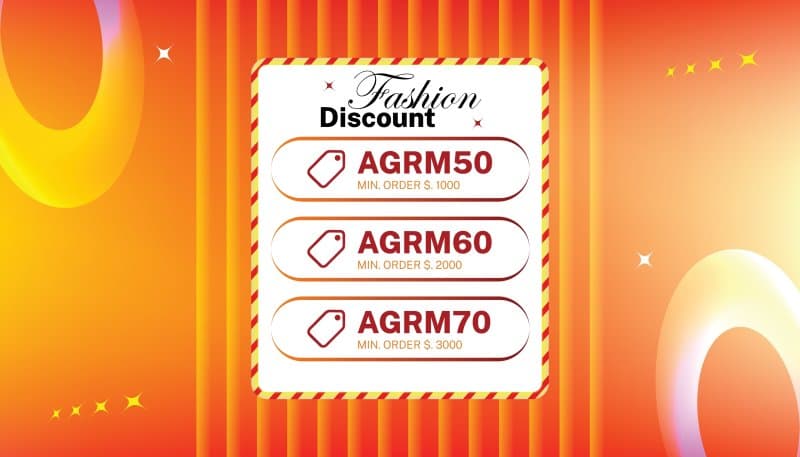
A promo code is a combination of letters, digits, or both that the buyer needs to enter at checkout to get access to some promotion. The same term is called a promotional code as well, and it may give the shopper a discount in percent, a fixed value, free shipping, a free product, and other benefits.
According to the promo code definition, it is a code that allows activating some promotional offer based on some conditions of purchase. Thus, the retailer may give the shopper a promo code for a 15% discount on certain items or for $10 off.
The business uses promotional codes to attract clients, stimulate repurchases, promote some products, and conduct marketing campaigns. From the point of view of the buyer, promo codes allow saving money without waiting for the sale. But not all codes are universal; there are some restrictions and exceptions to their use.
How Do Promo Codes Work?
It starts at the checkout counter. The retailer associates a promotional code with a particular offer and sets the conditions for a customer to redeem it.
The code you enter is verified for: Code validity. Whether your purchase qualifies. Usage limits. In case of successful validation, the discount will be shown on your receipt.
For instance, assume that you buy goods that cost $100, and then apply the code, which gives you a 15% discount on eligible goods. If the whole purchase amount becomes eligible for this discount, then your discount will be equal to $15 regardless of taxes and shipping costs.
If there is an offer with a $120 purchase amount minimum, then the same code will not work unless your cart reaches the necessary amount. Make sure to check your revised order total at all times. A promotional message alone isn't enough to confirm the discount applied correctly.
Also Read: Clearance Sales: How to Find Good Deals Without Overspending
What are the Different Types of Promo Codes?
Not every offer is built for the same shopping moment. The main types of promo codes fall into a few patterns, and knowing the difference helps you choose the strongest one instead of grabbing the first code you see.
| Code type | Best use | Watch out for |
| Percentage off | Large baskets, clothing, beauty, homeware | Maximum discount caps |
| Fixed amount off | Orders close to the minimum spend | Low-value baskets may not qualify. |
| Free shipping | Small orders where delivery fees hurt | Slow shipping tiers or region limits |
| Referral or loyalty | Repeat purchases and app orders | Account sign-in may be required. |
Two quick rules save real money. Use percentage codes on expensive baskets because 15% off $200 beats $10 off; use fixed-value codes when your basket barely clears the threshold, because $15 off $60 is stronger than 10% off.
Promo Code vs. Coupon Code vs. Discount Code
The terms "promo code," "coupon code," and “discount code” can be confusing because retailers frequently use them interchangeably.
In practice, all three terms mean a code that unlocks a promotion at the time of payment for goods and services. The difference usually comes from the retailer’s specific language rather than any general guidelines.
Coupons can refer to a wider range of promotions, such as print, digital, and automatic. Discounts indicate the extent of price reduction itself, with or without the use of a code.
From the buyer’s point of view, the key is to understand the terms of the offer rather than the language used to describe it. Look at what the code does for you, what kind of merchandise is included, and how the code interacts with other offers.
The code that gives you 20% off some selected items could actually provide less value than the smaller discount for the total of your order. Focus on the sum you pay rather than on the discount rate itself.
Promo Code Examples: Understanding Real Savings
Looking at the promo code examples will help you understand how various codes will influence your expenses.
For an order of $150:
- A 10% off code will save you $15 on all applicable goods.
- A code offering $20 will save you $20 as long as your order qualifies for this promotion.
- A free shipping code will save you the delivery fee of $8 or whatever it is.
- A gift offer will provide you with a gift item, but this code will not guarantee you savings at checkout.
These examples show that even though the largest announced discount does not always mean the best offer, a certain discount can be more advantageous than a percentage one. Moreover, free shipping can sometimes save you more money than other types of discounts.
Before making a purchase, consider the price of the discounted item and the other codes available.
How to Use Promo Codes and Find Better Deals?
Knowing how to use promo codes can make your online shopping much cheaper. You could try looking at promotions from the merchant, emails, loyalty programs, or even reputable deals websites.
You can also find coupons, cashback deals, and promo codes for various brands at items.com. Comparing available offers before checkout can help you identify potential savings without browsing multiple promotion pages individually.
Once you have located a good coupon, do the following:
- Check the store’s own banner, email, or app first; official codes usually fail less often.
- Copy the code exactly, including numbers, dashes, and capital letters if shown.
- Paste it into the box labelled promo, voucher, coupon, offer, or discount.
- Apply the code and wait for the total to change before moving on.
- Compare two or three codes, but keep the one that gives the lowest final cost, not the flashiest percentage.
Be selective about code sites and browser extensions. Some are useful, but many show expired offers to earn clicks, and some extensions collect shopping behavior across sites. A safer routine is to check the retailer, your inbox, a reputable cashback site, and one trusted deal community before spending extra time searching.
Do not buy things you do not need just to meet the minimum spend. You could end up spending more trying to unlock the discount than you would when buying what you actually need.
Why is a Promo Code Not Working?
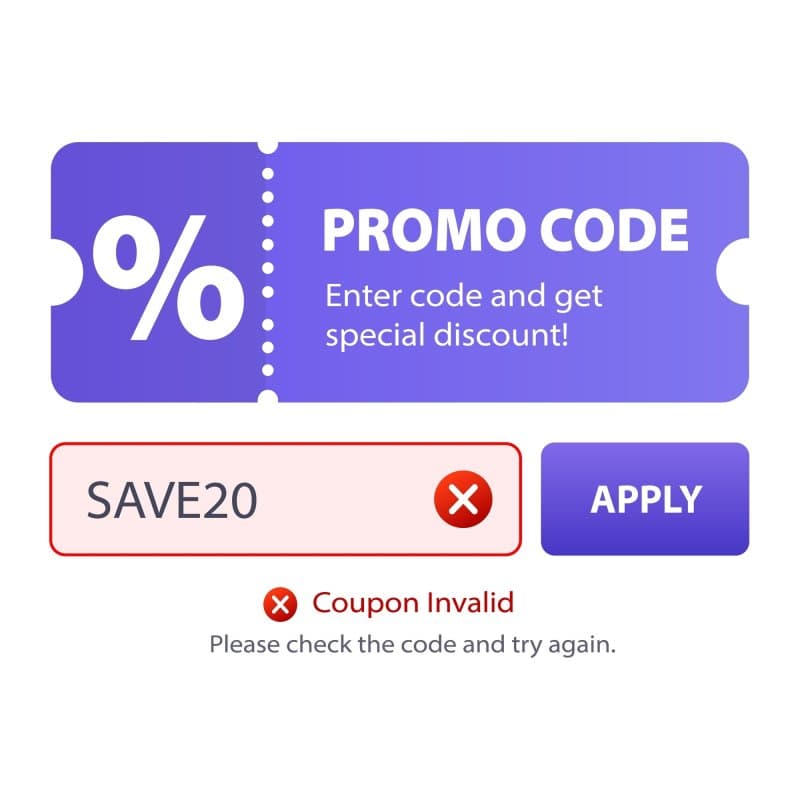
A code can fail for various reasons despite being listed on the promotion webpage or advertisement.
It can be because the promotion has already expired, reached its limit in terms of use, or was exclusive to certain users. The products in your shopping cart might also not meet the requirements of the promotion, such as containing non-excluded items or meeting the minimum purchase threshold.
Others may be due to geographical limitations, account eligibility, spelling errors, or promotions applicable to a certain app or payment option.
Double-check the codes and make sure that you understand the terms and that the products you will purchase are qualified under the promotion. In case the codes fail, search for other available promotions.
Take note of webpages that guarantee discounts without detailing the conditions of the promotion.
Must Read: Loyalty Programs & Reward Cards: Worth the Investment?
Conclusion
Knowing which promo code is valid allows you to shop with a sense of assurance, as well as spot any real deals available to you. With various deals ranging from discounts, free shipping, and loyalty points, these promotional offers will make some of the products you are interested in buying cheaper, especially when used correctly. Through reliable deal websites like items.com, you can get access to coupons, cashback, and promo codes.
FAQs
How do promo codes work at checkout?
Promo codes will unlock certain offers once entered into the checkout section of the retailer’s website. The system will evaluate your eligibility and restrictions and apply the qualifying offer before any payment.
How do businesses create and distribute promo codes?
The company will set up a certain offer that includes the amount of discount, its expiration, number of uses, and restrictions. Companies distribute promo codes via email, websites, social media, and affiliates.
Why is my promo code not working at checkout?
You might have entered an invalid or expired code. Make sure you meet all the criteria, such as minimum purchase value, excluded products, account requirements, and correct spelling.
How do promo codes help customers save money?
Promo codes reduce eligible purchase costs through discounts, free shipping, gifts, or other benefits. Comparing offers and checking restrictions helps customers identify meaningful savings without unnecessary spending.
How to redeem a promotional code online?
Add eligible products to your cart, enter the promotional code at checkout, and select Apply. Verify that the expected benefit appears in your order summary before completing payment.