What is a Coupon Code? Types, Uses and Benefits Explained
Key Takeaways
- A coupon code is a short string of letters and numbers that knocks money off your order at checkout.
- Promo, discount, and voucher codes are mostly the same thing with different labels.
- Expect rules: expiry dates, minimum spends, and one-time use.
- Typos and ignored terms cause most “broken” codes.
- Check a few trusted sources before you buy anything.
We’ve all been there. Your cart is full, the total stings a little, and a small box at checkout asks for a code you don’t have. So, what is a coupon code, exactly, and where does everyone else get theirs? Let’s sort it out, step by step, no jargon.
What is a Coupon Code?
Simply put, it’s a bit of text, usually letters and numbers, that you type in when you pay. The store reads it and takes something off, whether that’s a percentage, a flat amount, or the shipping fee. Paper coupons did the same job; only they lived in newspapers and kitchen drawers. Shops love them because they pull in new buyers and clear out old stock.
How Coupon Codes Work Behind the Scenes?
Behind that little box sits a set of rules the store wrote in advance. Once you hit Apply, the system runs a quick check and either lowers your total or tells you no. It’s fast and honestly a bit unforgiving.
What it looks at:
- Is the code still live?
- Does your cart hit the minimum?
- Are your items even eligible?
- Has someone already used it up?
Coupon Code vs Promo Code vs Discount Code vs Voucher Code
Honestly, shoppers swap these words all the time, and so do most stores. The labels shift a little by country and brand, but the idea stays the same. If you want the longer story, this post on how promo codes save you money covers it nicely.
| Term | Typical Meaning | Where You’ll See It |
| Coupon code | Code entered for a discount | Online checkout |
| Promo code | Code tied to a sale or campaign | Emails, ads |
| Discount code | Generic code for money off | Any online store |
| Voucher code | Often a prepaid or gift value | UK sites, gift offers |
What Are the Different Types of Coupon Codes?
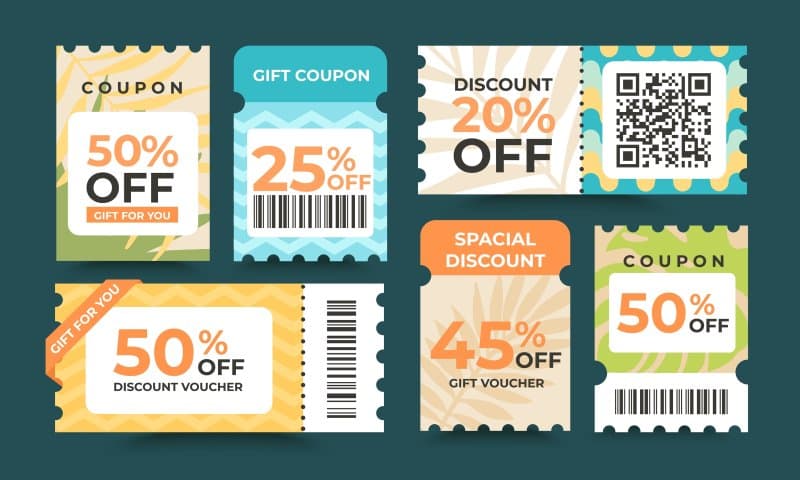
Stores don’t all play by the same rulebook, but you’ll mostly meet these five.
- Percentage off: 15% off your whole order, for example.
- Fixed amount: $10 off once you spend $50.
- Free shipping: Delivery costs vanish after a minimum spend.
- First-order: A welcome gift for signing up.
- Product-specific: Works only on certain items or categories.
Coupon Code Examples
These are invented, so don’t bother pasting them anywhere. They just show the usual patterns you’ll see in the wild.
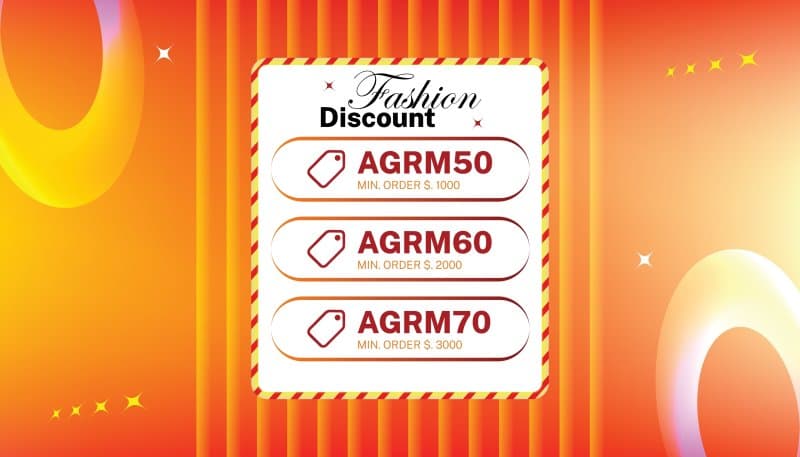
| Example Code | What It Does |
| SAVE15 | Takes 15% off your order |
| WELCOME10 | Gives $10 off a first purchase |
| SHIPFREE | Removes shipping on orders over $50 |
| FALL 20 | Applies a seasonal 20% discount |
How to Use a Coupon Code?
It takes under a minute, really. What trips people up is the hunt for the box, which some stores tuck away in odd corners, and skipping the fine print. Typing codes by hand also invites typos, so copy and paste when you can.
How to Use a Coupon Code at Checkout?
Here’s the usual flow:
- Put your items in the cart and head to checkout.
- Look for a field called “Promo” or “Discount code.”
- Paste your code and tap Apply.
- Check the new total before you pay, because some codes skip shipping and taxes.
Benefits of Coupon Codes
The upside isn’t only for shoppers. Stores get repeat customers, and you get to keep a little more of your paycheck.
- Lower prices on stuff you were buying anyway.
- A low-risk way to try a new brand.
- Extra savings when you add cashback on top.
- No surprises, since you see the final total before paying.
Where to Find Coupon Codes for Online Shopping?
Start with a coupon site you trust, like Items.com, where codes and cashback offers live in one place. Then peek at brand newsletters, social pages, and browser extensions. Newsletters are underrated, since first-order codes usually land there. One more habit worth building: search the store name plus “coupon” before every purchase.
Why is My Coupon Code Not Working?
Annoying, I know. Luckily, it’s usually one of these:
- The code expired, or the limit ran out.
- Your cart sits under the minimum spend.
- Your items are on the excluded list.
- A stray space or typo crept in.
- Another offer on the cart blocks it.
Still stuck? Message the store’s support team, since they can often fix it or issue a fresh code.
Do Coupon Codes Expire?
Most of them, yes. Stores set an end date, and some codes die sooner if a campaign gets too popular. Holiday offers can vanish in a couple of days. So read the expiry line, and don’t save a code for later when you could use it today.
Can You Use Multiple Coupon Codes on One Order?
Usually not. Most checkouts take one code and politely refuse the rest, although a few let you pair a code with an automatic sale or cashback. Terms will tell you. This breakdown of coupon stacking shows when combining offers actually works.
Conclusion
So, what is a coupon code? Really just a small key that opens a discount, provided you respect the rules attached. Know the types, skim the terms, and test your code before you pay. Do that, and checkout gets a little lighter on your wallet.
Frequently Asked Questions
Is a coupon code the same as a gift card?
Not quite. A coupon code lowers the price you pay, while a gift card is stored money you can spend. Codes come with conditions, but gift card balances usually behave like cash at that store.
Are coupon codes safe to use online?
Mostly, yes, if they come from reliable places. Be wary of any site asking for card details or a download just to show you a code. Stick to retailer emails and known coupon platforms.
Do coupon codes work on sale items?
Sometimes. Plenty of stores exclude clearance and already marked-down products to protect their margins. The terms list these exclusions, so skim them first and test the code in your cart before celebrating.
Can a coupon code be used more than once?
Depends on the store. Some codes are one-time or tied to your account, while others work for everyone until they expire. The terms will say which kind you’re holding, so check them.
What is the best time to find coupon codes?
Holidays, back-to-school season, and Black Friday bring the biggest offers. Still, stores drop surprise codes by email and on social media all year, so check before every purchase, not just during big sales.
Do you need an account to use a coupon code?
Usually not. Most stores let guests apply codes at checkout. A few, especially first-order offers, ask you to sign up or log in first, so the discount can be tied to your email.
Can you combine a coupon code with cashback?
Often, yes. A code trims the price at checkout, while cashback pays you back afterward. Plenty of sites let you do both, though some cashback terms exclude certain codes, so it’s worth a quick read.