Best Budget Smartphones: 11 Most Affordable Options for You
Key Takeaways
- Dropping a thousand dollars on a flagship phone is a terrible financial move when cheap devices run the same daily apps perfectly.
- Carrier financing traps you in brutal three-year contracts; buying an unlocked budget device outright keeps your monthly bills low.
- Cheap phones no longer mean terrible photos; modern camera software fixes bad lighting without needing massive, expensive lenses.
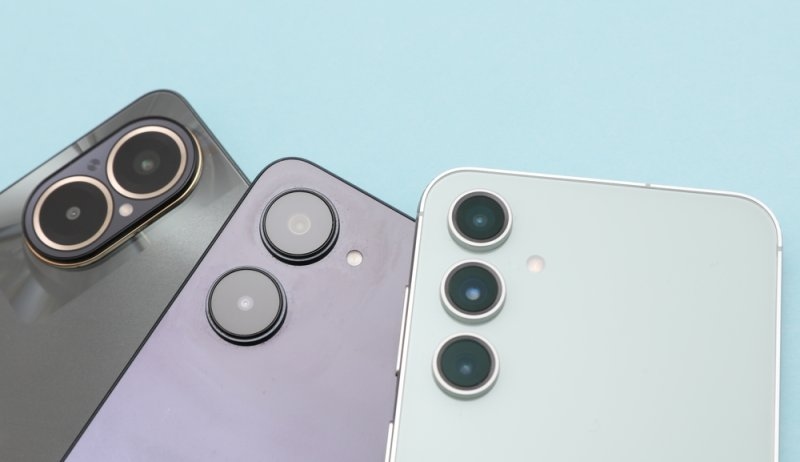
Stop walking into carrier stores and letting salesmen talk you into massive device payment plans. Everyone wants the newest glass slab, but handing over a huge chunk of your paycheck for a logo makes zero sense. You do not need a massive professional camera rig or a titanium frame just to scroll social media and answer emails. The best budget smartphones destroy the old rule that cheap means useless. Mobile tech hit a massive plateau. Mid-range processors now handle heavy gaming, and massive batteries keep these cheap devices running for two straight days. You can grab the best affordable smartphones outright for under five hundred dollars.
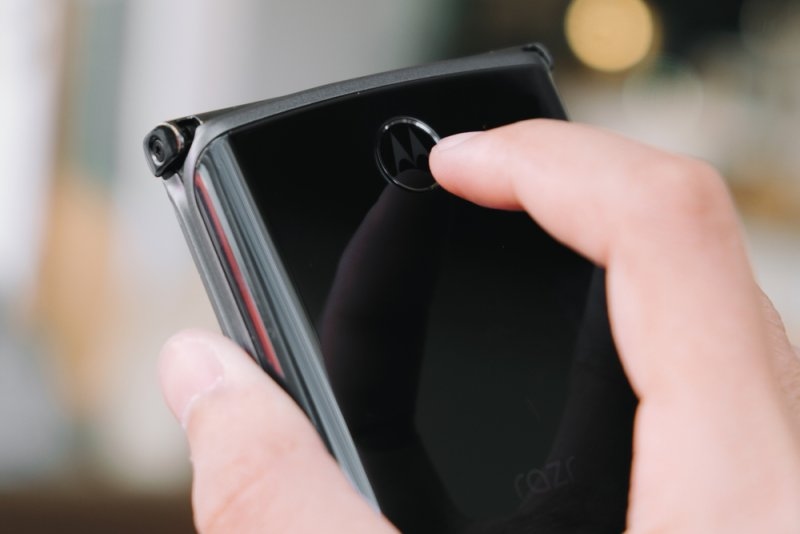
Must Read: Is the New Motorola Razr Plus Worth Buying in 2026?
Why People Look for the Best Budget Smartphones?
Signing a three-year contract for a thousand-dollar flagship locks you into a massive financial trap. Carriers bury the raw device cost inside your monthly bill, guaranteeing you overpay for basic cellular access. Buying a cheap phone upfront with hard cash severs that leash entirely. You get total network freedom.
The massive gap between flagship processors and cheap chips completely vanished. An affordable phone opens apps, runs heavy navigation software, and streams high-definition video without dropping a single frame. You are no longer paying for massive performance upgrades; you are paying a premium for a recognizable brand name.
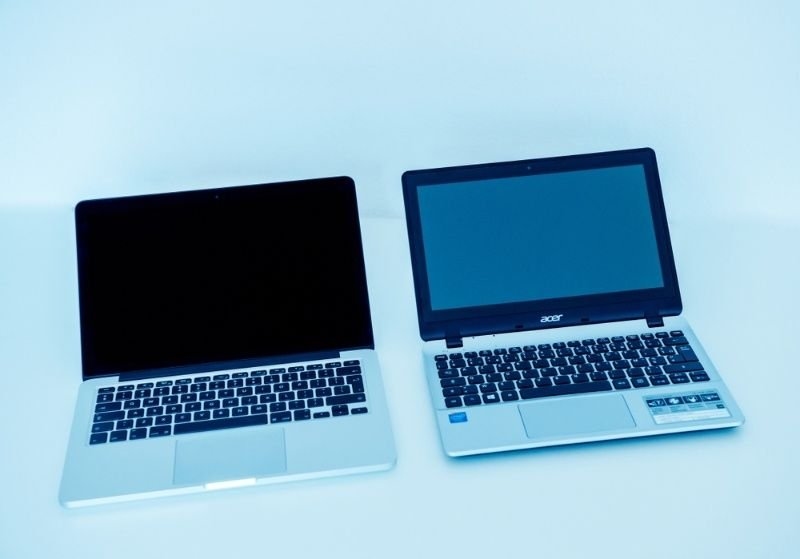
Top Pick: MacBook vs Windows Laptop: How to Build the Best Set Up?
7 Best Budget Smartphones in 2026
Stop hunting for used, battered flagship phones with degraded batteries. These specific best phones under $500 give you brand-new hardware, massive screens, and full factory warranties right out of the box.
1. Samsung Galaxy A17 5G
Samsung dominates the cheap tier by throwing massive Super AMOLED screens on budget frames. You get a massive battery and a display that actually works in direct sunlight.
2. OnePlus Nord CE 5
They strip away the useless bloatware and focus strictly on raw speed. This model gives you aggressive fast charging and a clean software interface that never stutters.
3. Poco M7 Pro
This brand builds cheap phones specifically for heavy mobile gaming. You get a massive 120Hz OLED screen and an upgraded processor that handles heavy graphics without melting your battery.
4. Motorola Edge 60 Fusion
Motorola ignores the messy corporate software overlays. They hand you a clean, stock Android experience wrapped in a curved screen that looks exactly like a massive thousand-dollar device.
5. Redmi Note 14 5G
Xiaomi builds massive metal bricks that refuse to die. This device packs serious water resistance and a giant internal battery that easily survives a brutal forty-eight-hour travel day.
6. CMF Phone 2 Pro
This company strips away the boring glass backs and gives you a raw, industrial design. It runs incredibly clean software and handles daily multitasking without breaking a sweat.
7. Moto G15 Power
When you need absolute battery dominance, you buy this phone. It features massive stereo speakers and a battery pack so big you will forget where you left the wall charger.
Budget Smartphone Buying Guide: Everything You Need to Know

Walking into a big box store without a plan guarantees you walk out with a terrible deal. Building a strict budget smartphone buying guide forces you to ignore the flashy store displays and focus on the hardware specs that actually matter.
Demand a Massive Battery
Flagship phones sacrifice battery size to look thin. Cheap phones do not care. Refuse to buy anything carrying less than a 5000mAh battery cell so you never have to hunt for a wall outlet at noon.
Check the Update Schedule
Cheap hardware means nothing if the software becomes dangerously obsolete in six months. Check the manufacturer's website and demand at least three years of guaranteed security patches before handing over your cash.
Ignore the Useless Lenses
Manufacturers slap terrible macro and depth sensors on the back just to claim they have a triple-camera setup. Ignore the extra lenses entirely and look strictly at the raw megapixel count of the primary main shooter.
How to Use Affordable Phones with Good Cameras?
You do not need a massive glass lens array to take sharp pictures for social media. Tracking down affordable phones with good cameras means understanding how software actually processes the final image.
Rely on Computational Photography
Cheap camera sensors capture messy data, but the internal software cleans it up instantly. Brands like Google and Samsung use heavy backend algorithms to force bad lighting to look bright and crisp.
Hold the Lens Steady
Cheap phones lack expensive optical image stabilization hardware. If you shoot in a dark bar, you have to physically lock your elbows against a table to stop the lens from capturing a blurry, muddy mess.
Kill the Digital Zoom
Budget camera sensors fall apart the second you try to zoom in. Stop pinching the screen. Use your feet, walk closer to the subject, and rely purely on the primary wide lens to get a sharp shot.
Conclusion
Stop letting carrier salesmen dictate how much you spend on mobile hardware. You do not have to accept a massive monthly bill just to get a reliable screen in your pocket. Hunting down the best budget smartphones takes a little research, but it completely frees you from the massive flagship trap.
Frequently Asked Questions
Do the best cheap smartphones work on major 5G networks?
Yes. Mobile chip manufacturers integrated 5G modems into their cheapest processors years ago. Any budget device released in the last two years will connect instantly to major 5G towers, giving you massive download speeds without the flagship price tag.
Why do budget phones come with so much pre-installed bloatware?
Manufacturers heavily subsidize the low retail price of the phone by letting third-party companies install junk games and shopping apps directly on the factory floor. You can easily delete or disable these massive software files the second you unbox the device.
Is it safe to use a cheap phone for mobile banking?
Absolutely. Budget devices run the same core Android operating systems as the massive thousand-dollar flagships. As long as you download the official banking apps and install the routine security patches, your financial data remains completely locked down.
Can budget phones handle heavy mobile gaming?
They handle the vast majority of modern mobile games without crashing. You might have to drop the internal graphic settings from ultra to medium, but the massive batteries actually let you play longer than you could on a thin, overheating flagship.
How long does a budget smartphone actually last before breaking down?
If you slap a heavy tempered glass protector on the screen and keep it in a thick case, the hardware easily survives three to four years. The battery cell will eventually degrade, but the actual processing speed holds up fine for standard daily tasks.