A Practical 10-Day Japan Itinerary for First-Time Visitors
Key Takeaways
- 3 days in Tokyo, 2 in Kyoto, 1 in Nara, 1 in Osaka, and 3 days to visit the area.
- Plan to travel by train, if feasible, to save time on a Japan itinerary.
- Avoid extremes by blending in known landmarks with the less frenetic areas.
- Don't change hotels too often to lose travel time.
- Be creative and make plans, but allow for unforeseen opportunities!
It is an exciting experience to visit Japan for the first time, but in the process of planning, you can get overwhelmed. There are hundreds of spots to explore, a limited number of vacations, and a transportation system that's hard to navigate unless you do. There are a lot of people who fly in and out of a lot of different places, or they overstay their visit in one place. Neither feels satisfying.
Japan is a country rich in culture, great cuisine, and tranquillity, and there is no need to become weary when recommended to include a balanced Japan tour for one's trip. It's all about traveling smart instead of fast. Here is a doable, step-by-step Japan itinerary for first-timers in this blog.
Follow This Japan Itinerary for a Smooth First Visit
A good Japan itinerary is less about covering every attraction and more about keeping travel practical. Ten days is enough to experience Japan's biggest highlights without spending every morning on a train.
Japan Travel Guide for Days 1 and 2 in Tokyo
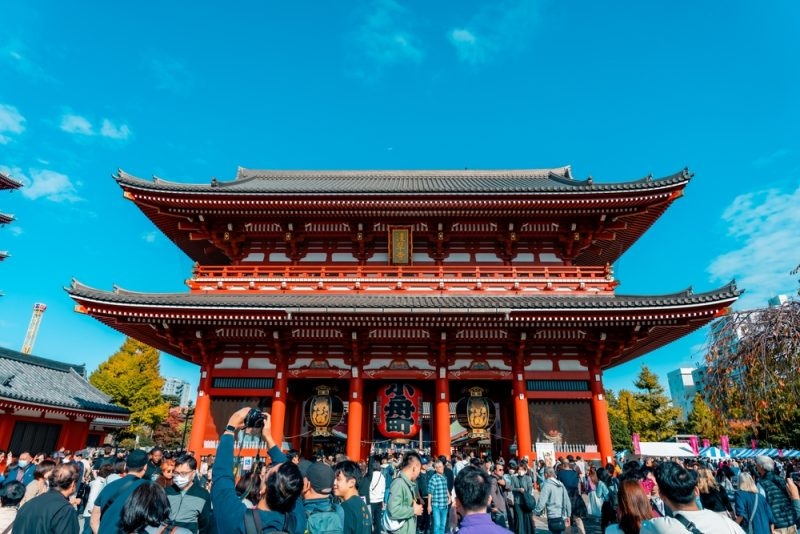
Every Japan travel guide starts with Tokyo because it introduces almost everything Japan is known for. Spend your first day adjusting to the city. Visit Shibuya Crossing, walk through Harajuku, then finish the evening around Shinjuku. The second day can include Asakusa, Senso-ji Temple, Ueno Park, plus Akihabara if you enjoy gaming or electronics.
Don't rush. Tokyo rewards slow walking more than fast sightseeing.
Japan Itinerary 10 Days Plan for Day 3
A complete Japan itinerary 10 days should include a lighter day before changing cities. Go to Meiji Shrine in the mornings, walk through Yoyogi Park to shop in Ginza, or go to a local café in the afternoon. If time allows, head to Tokyo Skytree before boarding an evening train to Kyoto.
The slower pace helps.
Also Read: Unlock the Secrets to Snagging Budget-Friendly Flights
Continue Your Japan Itinerary in Kyoto
No Japan itinerary feels complete without Kyoto. Ancient temples, traditional streets, wooden houses—they create a completely different atmosphere from Tokyo. Stay here for at least two nights.
Japan Travel Itinerary for Days 4 and 5
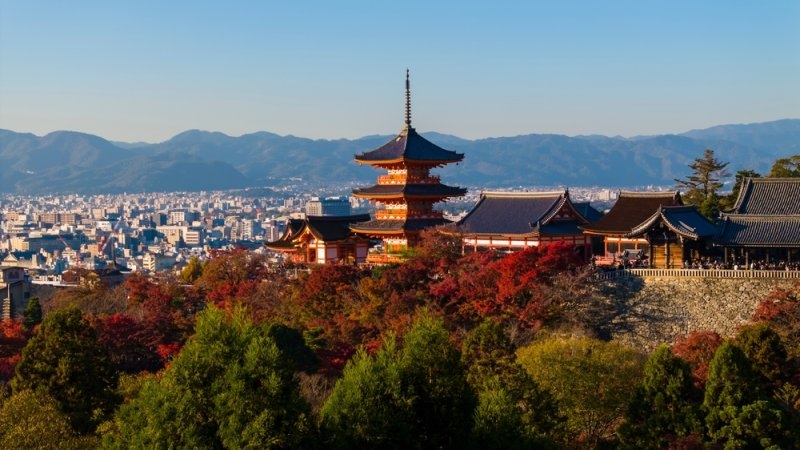
A balanced Japan travel itinerary should avoid squeezing every temple into one day. Visit Fushimi Inari Shrine early in the morning, before the crowds. Then head to Kiyomizu-dera, which is also home to the old quarters of Higashiyama.
The following day, spend time at Arashiyama Bamboo Grove, Tenryu-ji Temple, plus the nearby riverside. Finish your evening in Gio,n where traditional wooden buildings still shape the neighborhood.
Japan Travel Guide for Local Food Experiences
A useful Japan travel guide isn't only about attractions. Make a trip to sample some local cuisine, such as tofu enjoyed in Kyoto style, ramen, desserts with matcha tea, or fresh sushi. Visit small family-run restaurants instead of searching only for famous names. Some of the best meals come from places with no long queues at all. Simple often wins.
Add Nara and Osaka To Your Japan Trip Itinerary
Your Japan itinerary becomes more complete with two nearby cities that are easy to reach. They each offer something different.
Japan Trip Itinerary for Day 6 in Nara
Every good Japan trip itinerary includes Nara for at least one day. Visit Nara Park early to see the famous deer roaming freely. Afterwards, explore Todai-ji Temple, home to one of Japan's largest bronze Buddha statues.
The city feels quieter than Kyoto. That contrast is refreshing.
Japan Trip Itinerary for Days 7 and 8 in Osaka
A practical Japan trip itinerary should leave room for fun after several days of temples. Osaka is energetic. Walk through Dotonbori, enjoy street food like takoyaki or okonomiyaki, then visit Osaka Castle. If you're traveling with family, Universal Studios Japan easily fills another day.
The city stays lively long after sunset.
Don't Miss: Europe on a Budget: 5 Tips to Maximize Your Travel Dollars
Finish Your Japan Itinerary With Scenic Day Trips
The final part of your Japan itinerary should balance sightseeing with relaxation. Long vacations end better when the pace slows slightly.
Japan Travel Itinerary for Days 9 and 10
Many travelers following a Japan travel itinerary choose either Hiroshima, Hakone, or Mount Fuji as their final destination. Hakone offers mountain views, hot springs, plus relaxing boat rides. If the weather's nice, Mount Fuji offers up a wonderful view. Historians and visitors who want to see the historic monuments and peaceful memorial would enjoy Hiroshima.
Choose one based on your interests instead of trying to fit everything in. Quality beats quantity.
Japan Travel Guide Tips Before You Return
Every reliable Japan travel guide recommends planning transportation in advance. Keep these simple tips in mind:
- Carry some cash because smaller shops still prefer it.
- Arrive at train stations a little early.
- Pack light since you'll move between cities.
- Respect local customs in temples and public transport.
- Download offline maps before leaving your hotel.
Small habits save time throughout your Japan itinerary.
Suggested Reading: Escape the Heat with These Jaw-Dropping Summer Vacation Deals!
Final Thoughts
The ideal Japan itinerary doesn't include working from sunrise to sundown. It helps to leave some time to go to an unplanned café, a tranquil garden, a local festival, or just to wander a neighborhood that simply wasn't on your agenda.
Ten days is not enough time to experience everything in Japan, but it's a great first impression. Naturally, you'll get a feel for several sides of Japan without rushing, with energy from Tokyo and history from Kyoto, a calm atmosphere from Nara, and a food scene from Osaka, not to mention a scenic point.
FAQs
When is the ideal season to travel to Japan?
Spring & Autumn are the best times: Spring brings delicate blossoms, and Fall is a lovely time of year. As well as enjoying fresh cherry blossoms in spring, the autumn foliage is just as spectacular.
Could I get a Japan rail pass for a 10-day itinerary?
This would depend on the route taken. Those who plan multi-day vacations that visit multiple cities can often save money on regional or national rail passes, or they may be able to save less money on buying a lot of train tickets for a shorter trip across fewer cities.
What's a reasonable travel budget for Japan?
The mid-range traveler will probably anticipate spending on accommodation, transportation, food, attraction tickets, and more each day. The prices of different seasons, cities, and ways of travel are different, and having a plan with a certain amount within certain limits is appropriate.
Is Japan easy for a first-time foreigner?
Yes. Japan is clean, well-organized, and fairly safe for the most part. The public transport is dependable, and many signs are in English; even the general population will be helpful if they don't know many English words.