How to Select a Mattress That Suits Your Sleep Style
Quick Lessons
- Choose your mattress based on how you sleep, not just how much you’re willing to spend.
- People often underestimate how much mattress firmness impacts pressure relief.
- Memory foam works great for some folks, while others sleep better on a hybrid mattress.
- What feels right to you on day one won’t always feel the same after a week—so take advantage of trial periods.
- Don’t just grab the priciest option. Line up the features side by side and see what actually fits your needs.
Shopping for a mattress sounds easy until you’re knee-deep in choices. There are hundreds of options, all made from different stuff, all claiming to be perfect in their own way. Labels blur together, reviews contradict each other, and honestly, your body cares more about how it feels at 3 a.m. than what’s trending. That’s where most people freeze up. A mattress isn’t just another piece of furniture—it can change your sleep, your back's health, and even your mood the next morning.
Forget what’s popular. Instead, think about how you actually sleep. Every detail counts. Let’s cut through the noise and actually figure out which mattress matches your sleep style. We’ll break down top picks, what really matters, and how to avoid ending up with a bed you regret.
Choosing The Right Mattress Starts With Your Sleep Style
The most common slip-up? People head out to buy a mattress without thinking about how they actually sleep. One mattress might feel like heaven for your best friend, but leave you sore or stiff by morning.
The way you sleep—whether you curl up, sprawl out, or flop around—all of that, plus your weight and whether you run hot or cold at night, plays a big role in what will feel good.
Use This Mattress Buying Guide Before Comparing Brands
A useful mattress buying guide starts with asking a few honest questions instead of reading endless reviews. Your answers narrow the options much faster.
| Question | Why It Matters |
|---|---|
| Do you sleep on your side, back, or stomach? | Determines firmness and pressure relief. |
| Do you sleep hot? | Helps decide between a foam or a breathable hybrid mattress. |
| Do you share the bed? | Motion isolation becomes important. |
| Do you have back or shoulder pain? | Extra lumbar support may be necessary. |
| Do you prefer a soft or firm feel? | Comfort differs even within premium brands. |
Treat this mattress buying guide as a filter. Eliminate what clearly won't suit your sleep before comparing prices.
Your Sleeping Position Changes Everything
Sleep position has more influence than brand reputation. Someone sleeping mostly on their back usually needs balanced support that keeps the spine aligned. A stomach sleeper often feels better on a firmer mattress because softer surfaces allow the hips to sink too deeply.
Don't Miss: Decorate And Save: Furnish Every Room Without Breaking the Bank
Finding The Best Mattress for Your Body Type
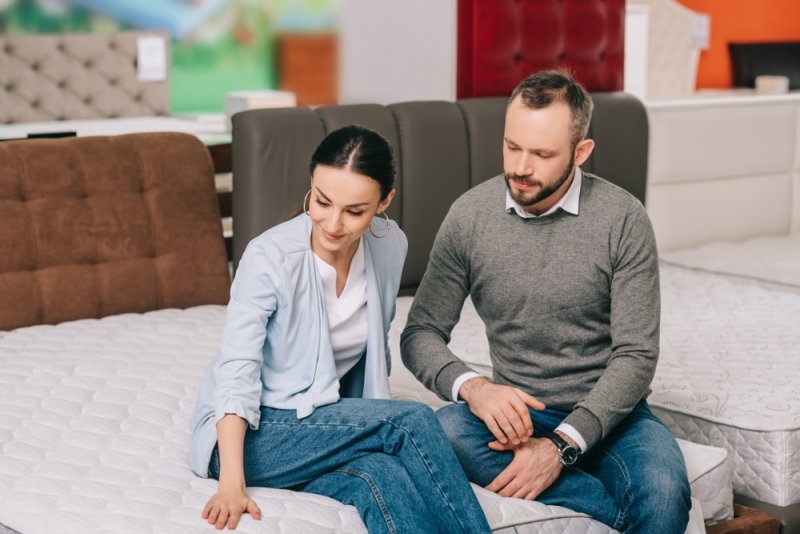
The best mattress is rarely the most expensive one. It is the one that supports your body consistently through the night. Comfort during five minutes in a showroom means very little after eight hours of sleep.
Why The Best Mattress for Side Sleepers Needs Extra Cushioning
The best mattress for side sleepers should cushion pressure points without letting the spine fall out of alignment. For side sleepers, especially, your shoulders and hips press into the mattress. They need to sink in just enough while your waist stays supported.
Most people do better with a medium or medium-soft mattress, not a rock-hard one. That’s why beds with foam layers on top and sturdy support underneath usually win out for side sleepers.
Compare The Best Mattress Options Side By Side
Instead of focusing only on marketing claims, compare what each best mattress actually offers.
| Mattress | Best For | Feel | Construction |
|---|---|---|---|
| Helix Midnight Luxe | Side sleepers | Medium | Hybrid |
| Saatva Classic | Back sleepers | Medium Firm | Innerspring Hybrid |
| Nectar Premier | Pressure relief | Medium | Memory Foam |
| Brooklyn Bedding Aurora Luxe | Hot sleepers | Medium | Hybrid |
| DreamCloud Classic | Couples | Medium Firm | Hybrid |
No single best mattress wins for everyone. The right choice depends on how your body sleeps, not which model appears first in search results.
Suggested Reading: Ultimate Guide to the Best Kitchen Gadgets and Appliances
Understanding Memory Foam And Hybrid Mattress Designs
Materials affect comfort just as much as firmness. Some people immediately prefer the hug of a memory foam mattress. Others dislike that slow-moving feel. A hybrid mattress responds differently because coils add bounce, airflow, plus stronger edge support.
When A Memory Foam Mattress Makes More Sense
A memory foam mattress works well for people who want pressure relief and better motion isolation. If your partner moves frequently, foam absorbs much of that movement before it reaches your side.
The Nectar Classic and Nectar Premier are good examples. Both use multiple foam layers that contour around the body while reducing pressure around the shoulders and hips. For many side sleepers, a memory foam mattress like this feels softer without losing support.
Why A Hybrid Mattress Appeals To More Sleepers
A hybrid mattress combines foam comfort layers with a coil support system. That mix creates a balanced feel, which is why hybrids have become popular over the last few years. You get cushioning where your body needs it, yet the coils keep the surface responsive instead of letting you sink too deeply.
The Brooklyn Bedding Aurora Luxe is a good example. It stays cooler than many all-foam beds, making it a smart choice for people who sleep warm. The DreamCloud Classic also stands out because it blends plush comfort with solid edge support, which helps couples use the full sleeping surface. If you're unsure whether foam is right for you, a hybrid mattress is usually the safer starting point.
Compare Features Before You Buy
Buying a mattress should not be based on price alone. Premium models often include features that genuinely improve sleep, but only if those features match your needs. Don’t get distracted by features you’ll never care about.
A quick, honest side-by-side look at your options can save you from an expensive mistake.
- Trial period: You need time to sleep on it for real before deciding.
- Warranty: If the company stands behind the mattress, that says a lot.
- Motion isolation: If your partner is a restless sleeper, you’ll want this.
- Cooling materials: This matters if you often wake up sweaty.
- Edge support: You want a bed that holds up when you sit or lie near the edge—more room to actually use.
Think of this as the final step in your mattress buying guide. Compare features that affect daily comfort instead of chasing long specification lists.
A Mattress Buying Guide Should Always Include Trial Periods
Many people decide within five minutes whether a mattress feels comfortable. That's rarely enough. Your body often needs several weeks to adjust, especially if you're replacing an old bed that no longer provides proper support.
A good mattress buying guide always recommends checking the sleep trial first. Most premium brands now offer trials long enough to judge comfort under normal sleeping conditions. That reduces buying pressure and makes the decision more practical.
Also Read: Why Pure Beech Jersey Knit Bed Sheets Are Worth Investing
Conclusion
Here’s the secret: buying a mattress gets a lot simpler when you stop listening to shiny advertisements and start figuring out what suits your own habits. Side sleeper? Back sleeper? Light sleeper who runs hot? Sharing with a partner who tosses all night? Those are the differences that matter—not which brand spent the most on billboards.
The best mattress is the one that lets you wake up pain-free, sleep through the night, and stay comfortable no matter the season. Check real features. Take your time. There’s no need to rush just because there's a sale counting down.
When in the market for a mattress, check for offers and discounts on Items.
Frequently Asked Questions
How long does a mattress really last?
If it’s a good one, think seven to ten years. Materials, how you care for them, and how you use them all make a difference. But honestly, sagging or waking up sore means it’s time for a new one—no matter what the calendar says.
Should you rotate your mattress?
Yes, for most models, rotating every three to six months helps even out the wear. This is especially true if you tend to sleep on one side more than the other. But don’t flip it over unless the manufacturer tells you to.
Does mattress size matter?
Absolutely. Too small, and you end up feeling boxed in, especially if you’re tall or you share the bed. Upgrade the size, and you might notice your sleep feels less cramped—even more than just changing the mattress material or firmness.
Can a new mattress help with back pain?
Often, yes—if you pick one that supports your body and suits your favorite sleep position. You want something that keeps your spine aligned and takes the pressure off your joints through the night.