Home Security System Choices That Help Protect Everyday Life
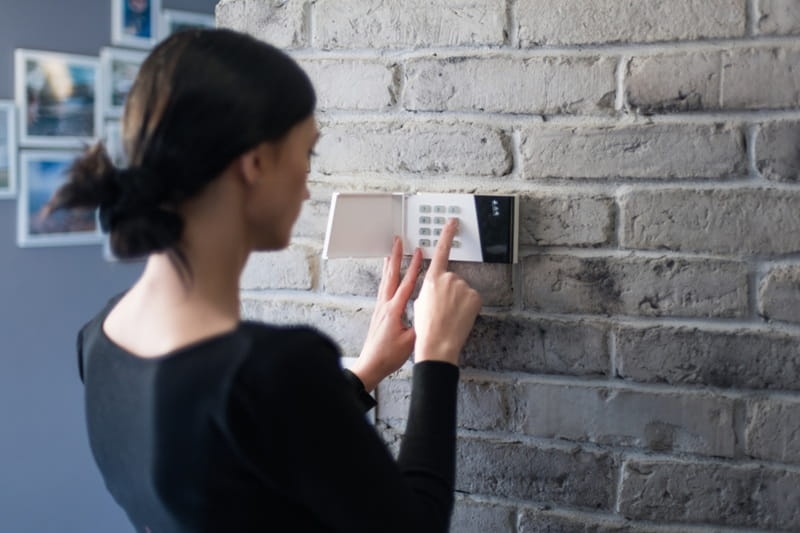
Many people look for a home security system because safety is close to their hearts. Here's the thing. Safety is not only about stopping danger. It is also about feeling calm while sleeping, working, or traveling. A home security system helps watch over a house when attention is elsewhere. Modern security systems do more than sound alarms. They connect awareness, alerts, and response into one plan. With the growing adoption of innovative security solutions and smart home technology, building a secure smart home is now realistic for many households.
What this really means is safety that works quietly, without daily fear.
What a Home Security System Actually Does
A home security system monitors activity and sends alerts when something unusual happens. It works in the background, yet stays ready.
Most systems are designed to:
- Watch doors and windows
- Detect movement inside rooms
- Monitor outdoor areas
- Send alerts during emergencies
Modern security systems aim to respond quickly. With security innovative solutions, alerts reach users instantly, helping protect homes more effectively.
You Might Like This: Best Refrigerators for Smart and Energy-Efficient Lifestyle
Why Security Systems Matter in Everyday Life
Home security systems are valuable tools that provide an excellent level of service to their users.
A well-designed and well-maintained home security system can offer the following benefits:
- Reduced risk of home intrusion
- Early warnings to homeowners when their property is at risk
- The addition of a visible layer of protection for the home's perimeter
When used alone, visible home security systems deter unwanted entry. When combined with smart home security systems, however, they create a proactive, preventative layer of protection for your home.
Main Components of a Home Security System
A deeper understanding of the components of the entire home security system will help the homeowner make more educated choices.
Typical components of a home security system may be:
- The system's control panel
- Door and window sensors
- Motion sensors within the home
- Cameras to give visual confirmation
All components must work together to create a complete home security system. Many of today's home security systems offer a complete smart home solution that uses the components above, all connected to a single application for ease of use and security.
How Smart Home Security Improves Protection
Devices in the original traditional system operated independently. Smart home technology combines all a home's devices into a single system.
Using smart home security has numerous advantages, including:
- Using your mobile device to view your monitored space
- Getting real-time alerts
- Controlling your monitoring equipment remotely using your mobile device
Smart home security makes monitoring your space easier than with older systems. Smart home security systems convert your old security systems into connected safety devices.
Security Smart Solutions That Feel User Friendly
The use of technology is intended to make your life easier, not to fill your time. Ease of use is the number one driving factor of new security technologies.
Some common examples of helpful features in security technologies include:
- Clear, concise, and user-friendly dashboards or user interfaces.
- Custom alert settings tailored to personal preferences.
- Integration with a voice assistant device.
The key to an effective and secure smart home system is having the confidence and understanding of the tools/systems being used.
Steps to Build a Secure Smart Home
The best Smart Home Security will develop gradually. Obviously, the home needs to be secured in stages.
Below are some steps to keep Security Simple:
- Locate the Entry Points
- Add Basic Sensors
- Install Cameras
- Connect All of the Devices into the Same System
As each Stage is completed, the Home's Security will increase as you develop a good Smart Home Security System using simple daily Tasks.
Indoor and Outdoor Security Differences
Homes need protection both inside and outside.
Indoor security focuses on:
- Motion detection
- Room monitoring
- Entry alerts
Outdoor security focuses on:
- Door and gate monitoring
- Outdoor cameras
- Lighting integration
Balanced security systems protect every area. A home security system works best when no space is ignored.
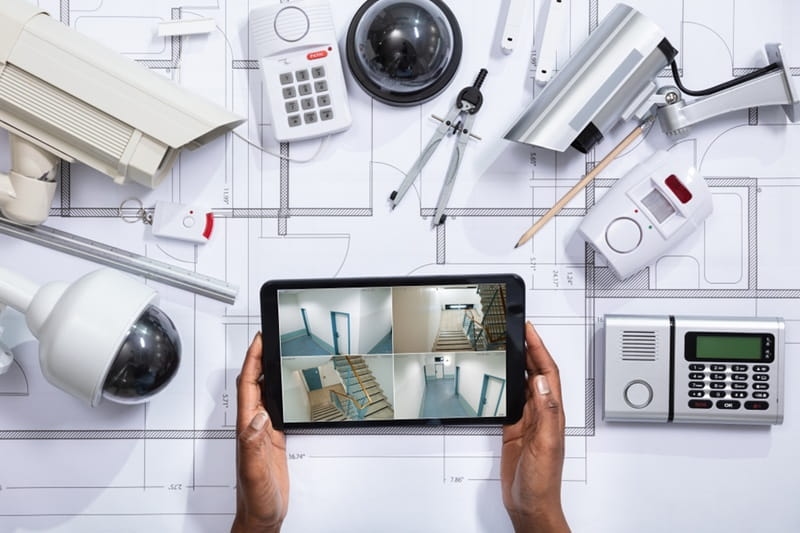
Monitoring Options for Modern Security Systems
Monitoring decides how alerts are handled when something happens.
Common options include:
- Self-monitoring through apps
- Professional monitoring services
Each option fits different needs. Innovative security solutions offer flexibility, allowing the home security system to adapt to lifestyles and budgets.
How Smart Home Security Supports Families
Families need safety that feels supportive, not stressful.
Smart home security helps families by:
- Allowing remote checks on children or the elderly
- Alerting to unexpected activity
- Supporting emergency response
These features help turn a house into a secure smart home where safety feels shared and reliable.
Choosing the Right Home Security System
No single system fits every home. Careful selection matters.
Important factors include:
- Home size and layout
- Budget planning
- Desired security features
A sound home security system fits real needs, not trends. Understanding security systems helps avoid overspending or underprotecting.
Common Mistakes When Using Security Systems
Mistakes can weaken protection, even with good equipment.
Common mistakes include:
- Forgetting system updates
- Poor placement of sensors
- Overcomplicated settings
Avoiding these mistakes allows security innovative solutions to work correctly. A secure smart home depends on correct setup and regular checks.
Privacy Concerns in Smart Home Security
Privacy matters as much as safety. Smart home security should protect without invading personal life.
Good systems offer:
- Encrypted data handling
- User-controlled privacy settings
- Clear access permissions
Trustworthy security systems respect privacy boundaries. A home security system should feel protective, not intrusive.
Cost Planning for Home Security Systems
Costs Will Depend Upon Features And Services.
Each of these may incur costs:
- Equipment Purchase
- Installation Fee
- Still Optional Monitoring Services
By planning, you can eliminate potential surprises. Many innovative security solutions offer scalable options so you can build your secure, smart home over time.
Maintenance for Long-Term Home Security
Even the best security system relies on proper maintenance for reliability. Basic security system maintenance comprises:
- Regularly Checking Batteries
- Scheduled Testing of Sensors and Alarms
- Updating Software for the Security System
Providing regular maintenance will ensure the security system is reliable. A properly maintained security system will provide improved reliability and response time during actual events.
How Home Security Systems Improve Peace of Mind
Safety affects emotions as well as physical protection.
A strong home security system:
- Reduces daily worry
- Supports restful sleep
- Builds confidence at home
The value of security systems extends beyond hardware. A secure smart home also supports emotional comfort.
Further Reading: Decorate And Save: Furnish Every Room Without Breaking Bank
Adapting Security Systems as Needs Change
Life changes over time. Security needs to change, too.
Systems can adapt by:
- Adding new sensors
- Expanding camera coverage
- Upgrading smart features
Flexible security systems grow with households. A scalable home security system supports long-term living.
The Role of Habits in Home Security
Technology works best with good habits.
Helpful habits include:
- Locking doors consistently
- Checking alerts regularly
- Testing systems monthly
When habits support security, innovative solutions, and protection feel natural. A secure smart home depends on both tools and behavior.
Conclusion
A home security system helps protect property, people, and peace of mind. With modern security systems, business security solutions, and smart home security tools, many households can build a secure smart home. When carefully selected and regularly maintained, these systems support safety, confidence, and comfort every single day.
FAQs
What's the most significant benefit of a smart home security system?
The most significant benefit is peace of mind through awareness. Getting a phone alert and live video when something happens, rather than just a siren blaring at an empty house, lets you understand and react to situations in real time.
Are wireless security systems reliable?
Yes, modern wireless systems are very reliable. They use strong, encrypted signals and have battery backups. They're less vulnerable to being disabled by cutting a phone line, a risk with some old wired systems.
Can I take my DIY security system with me when I move?
Absolutely. One significant advantage of DIY wireless security systems is their portability. You can unstick sensors, pack up cameras, and reinstall everything in your new home easily.
Do I need a monthly subscription for an innovative security system?
Not always. Many DIY systems work fully without a fee for live alerts and recording. Subscriptions usually add features such as more extended cloud video history, professional monitoring, or extended warranties. You choose what fits.