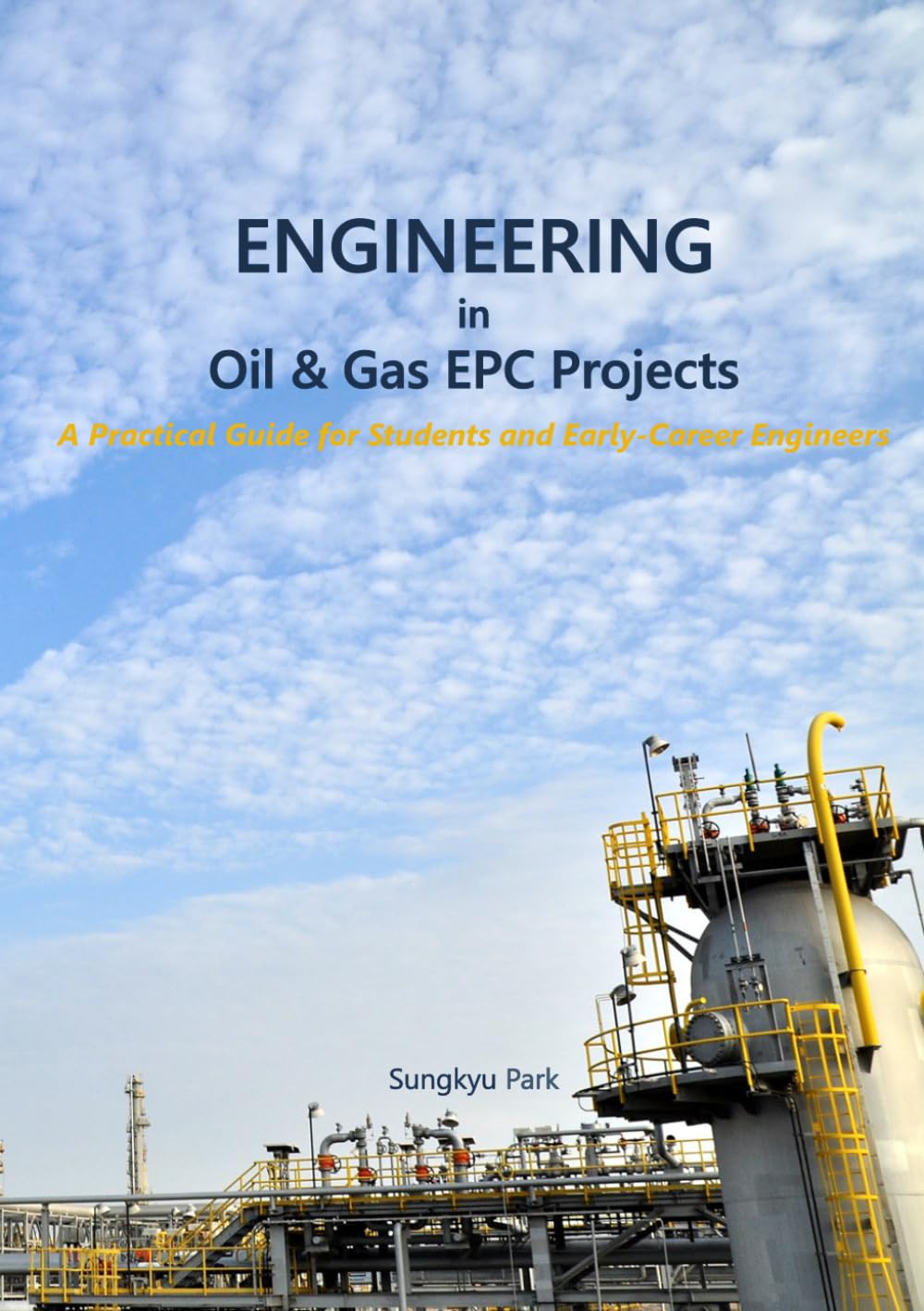
Oil and gas EPC projects are complex, multidisciplinary, and often difficult to understand for newcomers. While many textbooks explain individual technologies or design standards, few show how engineering work actually flows through a real EPC project. This book was written to bridge that gap. Engineering in Oil & Gas EPC Projects provides a structured and experience-based explanation of how engineering, procurement, construction, and commissioning connect throughout the lifecycle of an EPC project. Rather than focusing on complex calculations, this book helps readers understand: - How engineering disciplines interact and depend on one another - How information and decisions flow through an EPC project - How procurement and construction rely on engineering inputs - How key milestones shape project execution - How a project moves from early design to final handover The book follows the actual sequence of a typical EPC project—from engineering organization and discipline-specific work, through procurement and construction, and finally to commissioning and project completion. This book is primarily designed for: - Students preparing to enter the oil and gas industry - Early-career engineers seeking a clear big-picture understanding - Professionals transitioning into EPC projects It is also valuable for practicing engineers who want a clearer understanding of cross-disciplinary coordination and project integration. By the end of this book, readers will better understand how real EPC projects are structured, how responsibilities are distributed, and how their own role fits into the broader project framework. EPC projects are not built by isolated disciplines. They are built by people working together under schedule, cost, and safety constraints. This book helps you clearly understand that structure and how engineering work is performed in real EPC projects.