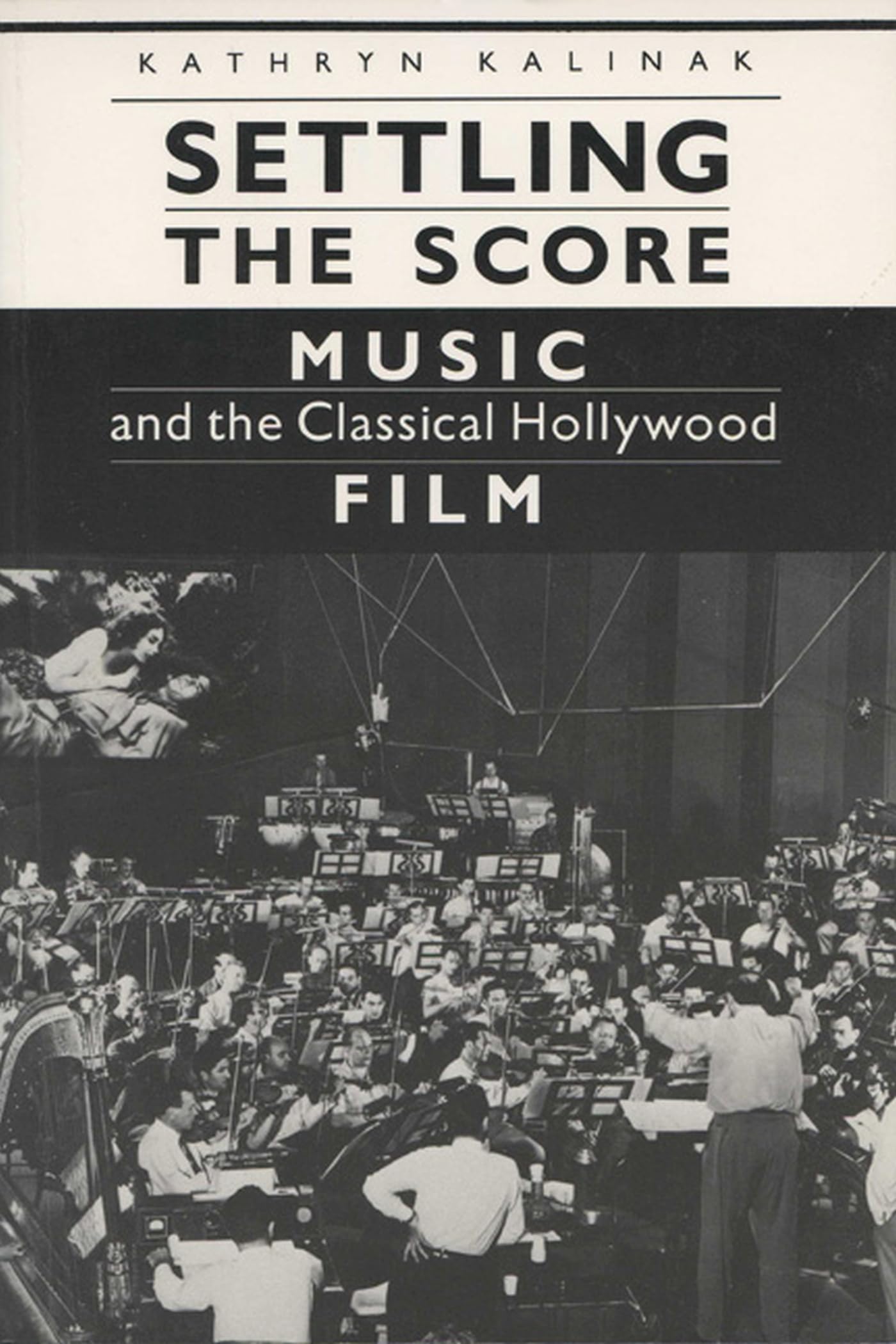
Beginning with the earliest experiments in musical accompaniment carried out in the Edison Laboratories, Kathryn Kalinak uses archival material to outline the history of American music and film. Focusing on the scores of several key composers of the sound era, including Erich Wolfgang Korngold’s Captain Blood , Max Steiner’s The Informer , Bernard Herrmann’s The Magnificent Ambersons , and David Raksin’s Laura , Kalinak concludes that classical scoring conventions were designed to ensure the dominance of narrative exposition. Her analyses of contemporary work such as John Williams’ The Empire Strikes Back and Basil Poledouris’ RoboCop demonstrate how the traditions of the classical era continue to influence scoring practices today. Kalinak (English and film studies, Rhode Island Coll.) offers an in-depth and academic study of film scoring. Music in film may seem incidental, but Kalinak shows its extreme importance as both "articulator of screen expression and initiator of spectator response." Who can forget the theme from Jaws , which turned a peaceful ocean scene into a threatening nightmare? After introductory chapters on music and theory, Kalinak places film scores in a historical context focusing on Erich Korngold's score for Captain Blood (1939). He then analyzes various film scores: Max Steiner's The Informer (1935), Bernard Herrmann's The Magnificent Ambersons (1942), David Raskin's Laura (1944), and finally John Williams's The Empire Strikes Back (1980). This major work on scoring goes a long way toward proving the importance of music in film. For serious film and/or music collections. - Sherle Abramson, Williamsburg Regional Lib., Va. Copyright 1992 Reed Business Information, Inc. “A strong original contribution that manages to convey a great deal of information about film music to readers with relatively little knowledge of music. It is likely to be one of the small number of books on sound track issues that will be found on the shelves of anyone seriously interested in cinema.”—Alan Williams, Rutgers University Kathryn Kalinak is professor of English and film studies at Rhode Island College and has published many articles on film sound.